

Glimpses of India (Part- I) A Baker From Goa
Key Points of the Story
- A village baker in Goa was an important and familiar figure in everyday village life, remembered with warmth and affection.
- Bakers preserved their old ways of making bread, keeping alive techniques and recipes handed down through generations and showing traces of earlier Portuguese influence.
- The baker made daily rounds, visiting households twice a day with a basket of fresh bread balanced on his head; his arrival was announced by the rhythmic sound of his bamboo staff.
- Certain breads and sweets, especially the small, ring-shaped bread bangles and the sweet, round loaf called Bol, were part of celebrations such as weddings and festivals, including Christmas.
- The baker's dress, his method of keeping household accounts, and his healthy, rounded appearance suggested he was respected and prosperous in his trade.
 | Get additional INR 200 off today with EDUREV200 coupon. | Avail Offer |
Detailed Summary
The chapter presents a warm, nostalgic recollection of village life centred on the village baker. The baker was more than a trader who sold bread; he was a familiar presence in every household, a social link who connected people by making daily rounds. In the Goan villages described, the craft of bread-making carried clear traces of Portuguese influence. Although the colonisers had long left, the baking skills and some names endured, and the village baker was commonly known as the Pader.
The baker visited each part of the village twice a day, usually morning and evening. He carried his goods in a basket balanced on his head and walked briskly between houses. Villagers recognised his coming by the steady sound of his bamboo staff striking the ground-a sound the narrator recalls in the onomatopoeic phrase "jhang, jhang". Most families bought plain loaves for their daily meals, but children and other customers enjoyed variety: the narrator remembers an especial liking for the small sweet treats known as bread bangles.
What role did the village baker play in the author's childhood memories in "The Baker of Goa"?
The village baker played a significant role in the author's childhood memories by being known for his delicious and well-made bread. His bakery was a central part of the community, where people gathered, and his fresh, warm loaves brought joy to many. The aroma of baking bread filled the air, creating a comforting atmosphere that reminded the author of home. This connection to the baker highlights the importance of simple pleasures and community in the author's formative years.
In that time and place, bread was not merely food; it formed a part of everyday style, often served hot with a steaming cup of tea. The narrator gives a child's impression of desire for bread, even confessing to skipping brushing his teeth to taste it sooner. Certain breads had ritual value: the sweet round loaf called Bol featured in wedding gifts and festival feasts. The village baker used a clay or brick furnace, an oven whose intense and steady heat was necessary for baking some cakes and confections properly.
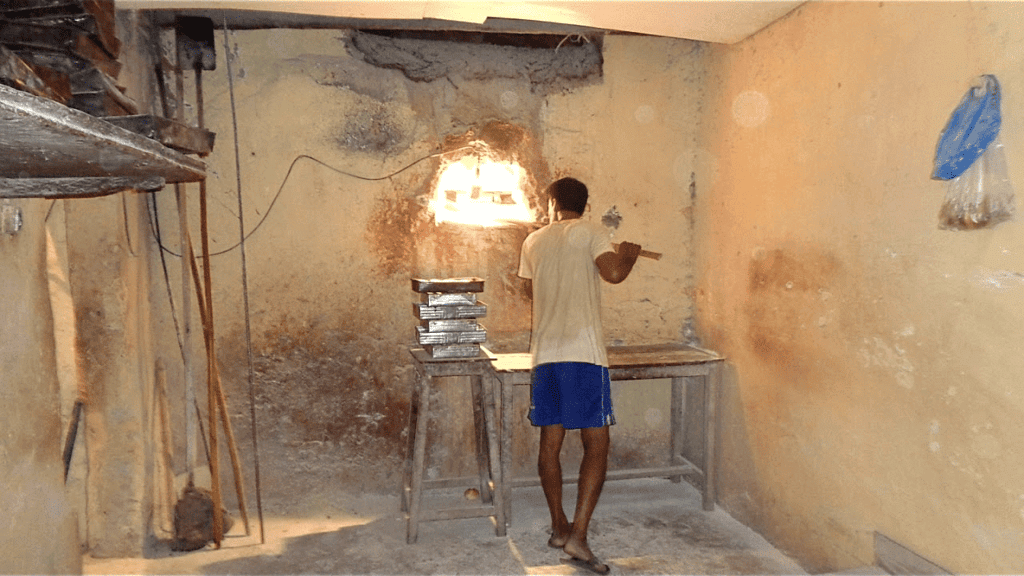 Traditional Goan Bakery
The baker's clothing was distinctive. He typically wore a one-piece knee-length frock called a kabai, and his trousers were cut to a half-length between full pants and shorts. Villagers came to describe that half-way style as dressing "like pader". Financially, the baker's dealings with households were informal but orderly: many families kept accounts in pencil marks on the wall, and the baker usually collected payments once a month. The baker's comfortable, plump appearance suggested that baking could be a steady and profitable trade.
- In the author's childhood, bakers also wore trousers that fell between full-length and half-pants, occupying a unique sartorial niche.
- However, the primary and distinctive attire of the baker was the 'kabai'.
- This attire added to the baker's identity and was a part of their traditional profession.
As a teacher, it is important to explain to the students that the traditional attire of the village baker was the 'kabai'. This unique knee-length, one-piece frock was a significant part of their identity and profession. Although bakers also wore trousers in the past, the 'kabai' remained the primary attire. This question tests the students' understanding of the passage and their ability to recall specific details about the baker's traditional attire.
The chapter closes on a note of change and memory. As times changed, modern shops and new tastes reduced the baker's daily dominance in village life. Yet the narrator emphasises that the memory of the pader-his rounds, his songs, his dress, the taste of his bread-remained a strong part of the cultural memory of the community.
Also read: Detailed Summary with Glossary & Important Info: Glimpses of India (Part- II) Coorg |
Theme and Message
- Cultural heritage and tradition: The story highlights how traditional crafts preserve cultural knowledge, showing that skills and recipes passed down through generations are important carriers of identity.
- Community and social bonds: The baker functions as a social figure who creates regular contact between households, strengthening community ties and shared routines.
- Value of small-scale livelihoods: The account recognises the dignity and economic importance of local trades and how they sustain social rituals and daily life.
- Nostalgia and change: The narrative is nostalgic about the past while admitting that social and economic changes have reduced the centrality of village artisans like the baker.
 | Attention! Sale expiring soon, act now & get EduRev Infinity at 40% off! | Claim Offer |
Glossary
- Loaves: Whole pieces of bread baked as single units and later sliced or torn for eating.
- Bamboo staff: A long stick made from bamboo used by the baker to steady himself and to announce his approach by striking the ground.
- Furnace: A clay or brick oven in which steady, intense heat is produced for baking breads, cakes and certain confections.
- Bangles: Circular ornaments worn on the wrist; here the term describes ring-shaped bread items, called bread bangles, which are sweet snack-breads.
- Engagement: A formal promise to marry; in many social customs, food items or gifts are exchanged at engagement or wedding ceremonies.
- Festivals: Special days or seasons of celebration observed by a community, such as Christmas, when particular foods and rituals are important.
- Peculiar: Unusual or distinctive in a way that attracts attention.
- Physique: The build or form of a person's body; in the chapter, it describes the baker's well-fed, rounded form.
- Plump: Having a full, rounded shape; often implies health and comfort.
- Prosperous: Financially successful or flourishing; showing signs of steady income and comfort.
- Pader: The local Goan name for the village baker who delivered bread and sweets to households.
- Kabai: A knee-length, one-piece frock traditionally worn by bakers in the village described.
- Bol: A sweet, round loaf traditionally included in wedding gifts and festive occasions in Goa.
- Bread bangle: A small, ring-shaped sweet or bread item sold by the baker and enjoyed as a snack.
- Onomatopoeia "jhang, jhang": A word that imitates the sound it describes; here it represents the bamboo staff striking the ground as the baker walked through the village.
Also read: Detailed Summary with Glossary & Important Info: Glimpses of India (Part- II) Coorg |
Conclusion
The chapter honours the everyday artisan and the ordinary routines that make up community life. Through vivid sensory details-the sound of the staff, the sight of the basket, the taste of the sweet breads-the narrative preserves the memory of a craft and a way of life. Although social change has altered village economies and tastes, remembering such figures fosters respect for traditional skills and an appreciation of how food, dress, sounds and social exchanges together form a living cultural heritage.
Glimpses of India (Part- II) Coorg
Key Points of the Story
- Coorg, also known as Kodagu, is a picturesque district in Karnataka noted for its rainforests, spices and coffee plantations.
- It lies between Mysore and Mangalore and is best visited from September to March, after the monsoon season.
- The people of Coorg, called the Kodavas, are known for their martial traditions, distinctive dress and warm hospitality; many trace their ancestry to Greek or Arabic origins.
- Kodavas have a long-standing custom of carrying firearms; historically they were permitted to do so without a licence.
- The Coorg Regiment is one of the most decorated units associated with the region; General K. M. Cariappa, India's first Army Chief, hailed from Coorg.
- The river Kaveri springs from the hills of Coorg; the region's freshwater systems are home to species such as the Mahseer fish.
- Wildlife includes elephants, langurs, Malabar squirrels and many bird species; about 30% of the district is covered by evergreen rainforests.
- Popular activities for visitors include trekking, river rafting, canoeing, rappelling and mountain biking.
- Notable attractions are the Brahmagiri hills, the island of Nisargadhama (connected by a rope bridge) and the large Tibetan settlement at Bylakuppe.
- Coorg is accessible by air via Mangalore (135 km) and Bangalore (260 km), and by rail from Mysore, Mangalore and Hassan; road routes connect it with major cities.

| Get additional INR 200 off today with EDUREV200 coupon. | Avail Offer |
Detailed Summary
Coorg, or Kodagu, is a scenic district in the south-western Indian state of Karnataka. Renowned for its rolling hills, extensive coffee plantations and evergreen rainforests, Coorg is often described as a "piece of heaven" because of its soothing climate and rich natural beauty. Approximately 30% of the district remains under rainforest cover, which sustains the lush green landscape and a rich diversity of flora and fauna.
The climate of Coorg is strongly influenced by the monsoon. Heavy rains occur during the monsoon months, so the most comfortable and popular time for visitors is from September to March, when the hills are green, the streams are full and outdoor activities are pleasant. Monsoon months can bring heavy rainfall that may restrict travel and some activities.
The people of Coorg are known as the Kodavas. They have a proud and distinctive culture, celebrated for martial traditions, colourful dresses and warm hospitality. Two commonly cited theories suggest possible links to Greek or Arabic ancestry: one legend connects them to the soldiers of Alexander, while another notes a resemblance between the Kodava headgear, the "kuppia", and the Arab "kuffia". Such theories are part of local tradition and cultural memory and help explain some elements of Kodava dress and customs. Historically, Kodavas were permitted to carry firearms as part of their customs; this tradition of bearing arms is an important part of their identity.
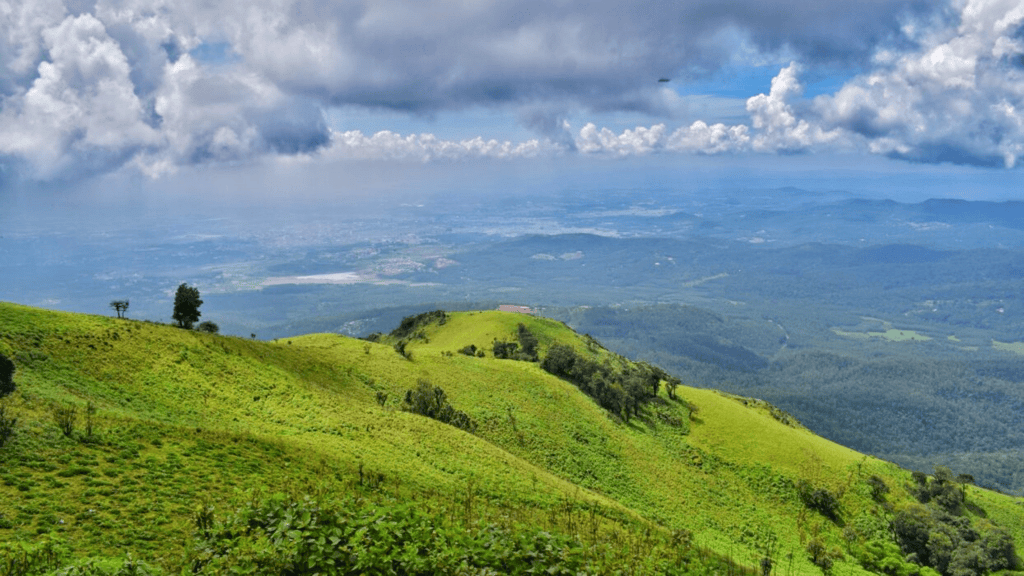 Coorg
CoorgCoorg's contribution to India's military history is notable. The Coorg Regiment and many individuals from the region have earned distinction and decoration. One prominent figure from Coorg is General K. M. Cariappa, who became the first Chief of the Indian Army after independence. Such associations reinforce the region's reputation for valour and service.
The headwaters of the Kaveri (also spelled Cauvery) rise in the hills of Coorg. The river nourishes the surrounding agricultural and forest ecosystems and supports aquatic life including the prized freshwater fish, the Mahseer. The forests and rivers of Coorg provide habitats for large mammals such as elephants, various primates including langurs, Malabar squirrels, and numerous bird species, making it attractive to wildlife enthusiasts and ornithologists.
For travellers and adventure seekers, Coorg offers many outdoor pursuits. Well-marked trekking routes cross the hills and offer panoramic views, especially from the Brahmagiri range. River rafting and canoeing provide high-energy experiences on suitable stretches of water. Other activities commonly available include rappelling, mountain biking and nature walks; these activities allow visitors to engage directly with the terrain and biodiversity.
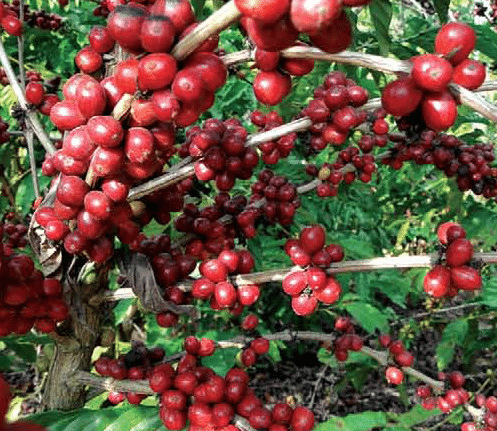 Coorg's Coffee
Among the region's attractions, Nisargadhama is an island formed by the waters of the Kaveri and connected to the mainland by a rope bridge; it is a popular spot for picnics and elephant sightings. The nearby Tibetan settlement at Bylakuppe is one of the largest Tibetan communities in India. Bylakuppe's monasteries, colourful prayer flags and cultural institutions offer a window into Tibetan life outside Tibet and attract many visitors.
Travel logistics: Coorg lies within convenient distance of several transport hubs. The nearest major airports are Mangalore (about 135 km) and Bangalore (about 260 km). Railway stations at Mysore, Mangalore and Hassan connect Coorg with the Indian rail network; from these points visitors travel by road to reach different parts of the district. Road journeys between Bangalore and Coorg are scenic, passing through forests, coffee estates and small towns.
- Thirty percent of its area is covered with rainforests.
- Coffee flavor fills the air in Coorg.
- Tea plantations, rice fields, lakes, mountains, and desert landscapes are not mentioned in the passage.
- Therefore, the correct answer is Option A: Coffee plantations and rainforests.
Also read: Detailed Summary with Glossary: Glimpses of India (Part- III) Tea from Assam |
Theme and Message
Theme
- Rich cultural heritage: The chapter highlights the unique culture of the Kodavas, their customs, dress and martial traditions, and the local legends about origins.
- Natural beauty and wildlife: Emphasis is placed on Coorg's evergreen forests, hills, river systems (origin of the Kaveri) and the wildlife that inhabits these ecosystems.
- Hospitality and valour: The people of Coorg are portrayed as hospitable and proud of their traditions, with a notable history of military service and bravery.
Message
- The passage conveys that Coorg is not only a place of scenic beauty and adventure but also a region with deep-rooted cultural identity and historical importance. It suggests respect for tradition, an appreciation of nature, and an invitation to explore responsibly.
| Attention! Sale expiring soon, act now & get EduRev Infinity at 40% off! | Claim Offer |
Difficult Words (Vocabulary with Meanings and Examples)
- Martial: relating to or characteristic of war or warriors. Example: The Kodavas have a martial tradition that emphasises courage and skill with arms.
- Colonial: relating to or characteristic of a colony or colonies. Example: Colonial influences are visible in some place names and historical records across India.
- Distinct: recognisably different from something else of a similar type. Example: The Kodava dress is distinct and immediately identifiable.
- Embroidered: decorated with needlework. Example: The traditional garments often feature embroidered patterns.
- Regiment: a permanent unit of an army, typically commanded by a colonel. Example: The Coorg Regiment has a proud record in military history.
- Permitted: officially allowed to do something. Example: Historically, some customs permitted Kodavas to carry firearms.
- Freshwater: of, found in, or living in fresh water (not salt water). Example: The Mahseer is an important freshwater fish found in the Kaveri.
- Rappelling: the controlled descent of a vertical drop using a rope. Example: Rappelling is an adventure activity offered in some parts of Coorg.
- Canoeing: the sport or activity of travelling in or paddling a canoe. Example: Canoeing allows visitors to explore calm streams and backwaters.
- Loris: a small, nocturnal, slow-moving primate of parts of Asia. Example: Lorises are rarely seen by daytime visitors because they are nocturnal.
Also read: Detailed Summary with Glossary: Glimpses of India (Part- III) Tea from Assam |
Glossary & Important Information
- Kodagu: Another name for Coorg; the traditional and local name of the district.
- Kodavas: The indigenous community of Coorg, known for distinct customs, martial traditions and traditional dress.
- Kaveri (Cauvery): A major river of southern India that originates in the Coorg hills and supports agriculture and wildlife downstream.
- Mahseer: A valuable freshwater fish found in Indian rivers, prized by anglers and important to local ecology.
- Brahmagiri: A hill range in Coorg known for trekking routes and panoramic views.
- Nisargadhama: A river island near Coorg connected by a rope bridge; a popular picnic spot and wildlife viewing area.
- Bylakuppe: One of the largest Tibetan settlements in India, with monasteries and a vibrant Tibetan culture.
- Best time to visit: September to March, after the monsoon season, when weather is pleasant and outdoor activities are accessible.
- Getting there: Nearest airports - Mangalore (≈135 km) and Bangalore (≈260 km). Railheads at Mysore, Mangalore and Hassan, followed by road transport into Coorg.
- Adventure activities: Trekking, river rafting, canoeing, rappelling and mountain biking are commonly available; availability depends on season and weather conditions.
Glimpses of India (Part- III) Tea from Assam
Key Points of the Story
- Pranjol invites Rajvir to visit his home in Upper Assam during the summer vacation.
- On the train journey, they enjoy tea together and discuss the global popularity and cultural importance of tea.
- As they approach Assam, they observe the change in landscape from paddy fields to the vast tea gardens and the many shade trees that dwarf the tea bushes.
- Legends and history of tea are discussed: a Chinese legend about an emperor, the Bodhidharma story, and the long history of tea consumption beginning in China.
- They reach Dhekiabari Tea Estate at Mariani junction and learn how a tea garden operates, including the role of tea pickers and seasonal harvesting.
| Get additional INR 200 off today with EDUREV200 coupon. | Avail Offer |
Detailed Summary
Journey to Assam and First Impressions
Rajvir, a schoolboy from Delhi, accepts an invitation from his friend Pranjol to spend the summer holidays in Upper Assam. The long train journey gives the two boys time to talk. They share a flask of tea and discuss how tea is more than a beverage: it is a crop, a cultural practice and an economic product that links many people. Rajvir surprises Pranjol by mentioning that over eighty crore cups of tea are consumed daily around the world - a fact that frames tea as a global commodity.
As the train moves towards Assam, the countryside changes markedly. The broad expanse of lush green paddy fields gradually gives way to neatly planted rows of tea bushes that stretch like a sea. Tall shade trees stand above the bushes, making the shrubs look small by comparison. Workers move regularly through the fields, picking leaves and carrying baskets. For Pranjol, these scenes are everyday; for Rajvir, they are striking and new.
 Tea Estates of Assam
Stories, Legends and Historical Notes about Tea
During the journey, the boys recount stories about the origin of tea. One popular Chinese legend tells of an emperor whose boiling water received leaves that blew in by chance to create a pleasant drink. Another tale involves Bodhidharma, an ascetic whose long vigil is said in some versions to have caused tea plants or leaves to sprout from his eyelids. Historically, tea is reported to have been consumed in China as early as 2700 B.C., and it reached Europe by the sixteenth century, where it was initially regarded more as a medicinal or exotic beverage before becoming a common daily drink.
Arrival at Dhekiabari Tea Estate and Garden Life
After disembarking at Mariani junction, the boys are welcomed by Pranjol's parents and taken to the Dhekiabari Tea Estate. In the garden, Rajvir notices the routine of tea cultivation. Pickers wear protective aprons and carry bamboo baskets slung over their shoulders. Pranjol's father explains that they are in the second-flush season, which in Assam generally falls from May to July and is known for producing leaves with a fuller, brighter flavour. This season brings heavier work in the fields and a larger number of pickers at any one time.
Pranjol's father describes the basic activities involved in producing tea: careful plucking of the young leaves, the steady flow of leaves into the processing factories, and the seasonal rhythm of work determined by the plant's growth flushes. Rajvir's interest and previous reading about tea impress the family; he expresses eagerness to learn more about plucking methods, processing steps and the life of the people who work in the garden.
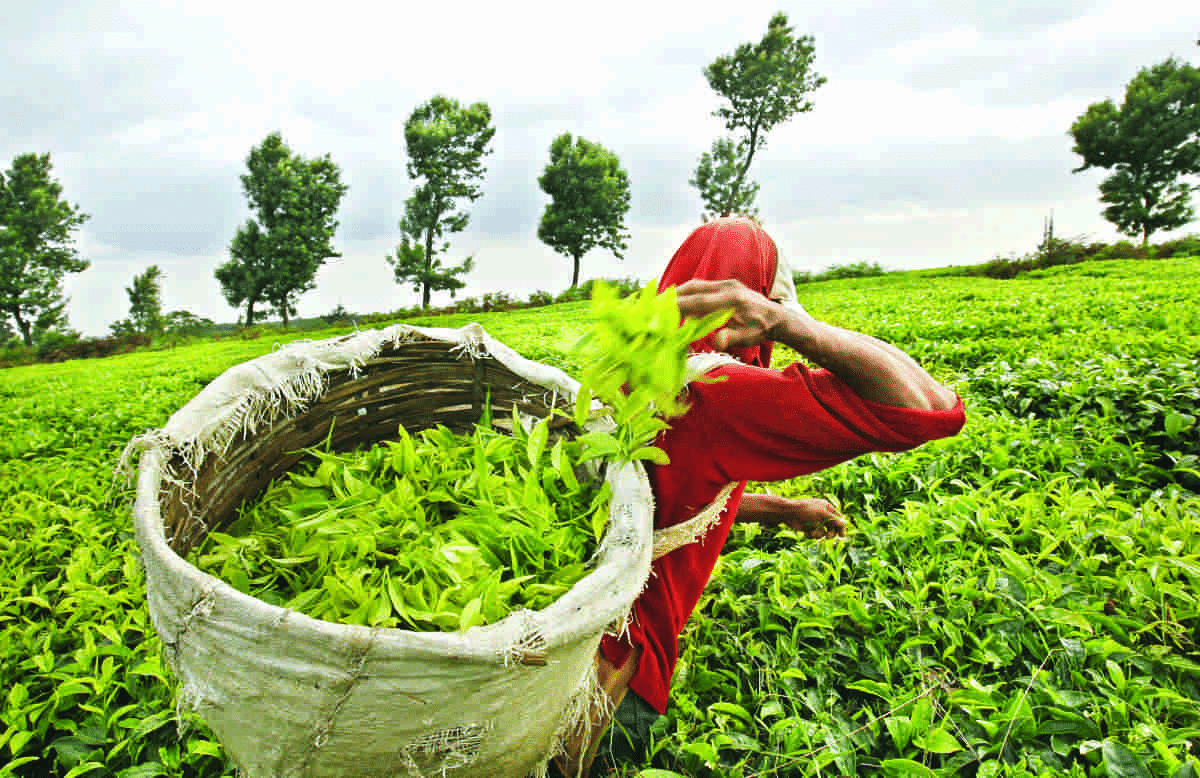 Plucking of Tea Leaves
- The Chinese emperor is said to have discovered tea by accident, leading to its popularity in the country.
Also read: Short Answer Questions: Glimpses of India (Part- I) A Baker From Goa |
Theme and Message
- Friendship and hospitality: The story shows how friends invite each other into unfamiliar environments, and how families welcome guests warmly and openly.
- Cultural exchange: Conversations about tea's legends, history and customs illustrate how a simple beverage connects different regions, histories and traditions.
- Curiosity and learning: Rajvir's eagerness to observe, ask questions and learn demonstrates how close observation and inquiry deepen understanding.
- Everyday activities - drinking tea, travelling, visiting a neighbour's home - can reveal wider histories, economic practices and social relationships.
| Attention! Sale expiring soon, act now & get EduRev Infinity at 40% off! | Claim Offer |
Glossary
- Compartment: a section of a train carriage used for seating passengers.
- Ardent: very enthusiastic or passionate.
- Dwarfing: making something appear small by comparison; to overshadow in size.
- Ascetic: a person who practises strict self-discipline and abstains from luxury, often for religious reasons.
- Billowing: swelling outward or moving in waves, as cloth or smoke does.
- Excitedly: with eager enthusiasm.
- Eyelids: the movable lids that cover and protect the eyeball.
- Medicinal: relating to the treatment of illness or used as medicine.
- Pruned: cut back, especially to remove dead or overgrown branches to encourage healthy growth.
- Yields: produces or provides (used here for crop output or harvest).
- Aprons: protective garments worn over the front of clothes while working.
- Plucking: the act of picking or harvesting parts of a plant, here referring to tea leaves.
- Sprouted: begun to grow, as a shoot from a seed or plant.
- Tractor: a powerful farm vehicle used for towing and carrying out agricultural tasks.
- Second-flush: the second major harvest period of tea leaves in a year, typically producing fuller-flavoured leaves (in Assam, usually from May to July).
- Camellia sinensis: the botanical name of the tea plant from which most commercial teas are produced.
- Tea estate: a large farm where tea bushes are cultivated, harvested and often partially processed.
- Flush: a fresh growth period on a plant during which new leaves appear and are suitable for plucking.
Short Answer Questions: Glimpses of India (Part- I) A Baker From Goa
Q.1. What do the elders of Goa remember nostalgically?
Ans: The elders of Goa nostalgically remember the old Portuguese days. They fondly recall the delicious loaves of bread and the Portuguese customs that used to be an everyday part of life. The baker is remembered as a living reminder of that past and of the cultural mix that shaped Goan life.
Q.2. What are the time-tested things which still exist in Goa?
Ans: The traditional furnaces of the bakers are time-tested items that still exist in Goa. These traditional ovens, used for generations to bake loaves and sweet breads, remain an important part of Goan cultural heritage despite modern changes in technology.
Q.3. When did the baker come daily?
Ans: The baker used to come twice a day. He would make his first visit in the morning when he set out to sell bread, and he would return again after completing his rounds when his huge basket was empty. He was thus a very familiar and welcome presence in the daily life of the Goan village.
Q.4. What was the baker's place in Goa in the author's childhood days?
Ans: During the author's childhood, the baker held a special place in the community. He was known for his tasty bread and friendly manners. The children saw him as a friend and companion who chatted with them, while the adults relied on him for fresh bread for everyday use and festive occasions.
Q.5. What did the author and the other children do to look into the baker's basket?
Ans: The children were very curious about the contents of the baker's basket. They would eagerly climb a bench or the parapet and peep into the basket to see the freshly baked loaves and sweet bread-bangles. They always longed for a closer look and wanted to choose their favourite sweet bread.
Q.6. What is the name of the dress worn by the baker in the olden days?
Ans: The traditional dress worn by bakers in the olden days was known as a kabai. It was a peculiar, loose, single-piece long frock reaching down to the knees. This attire was specially designed for comfort and ease of movement while working near the hot traditional ovens.
Q.7. What is the baker called in Goa?
Ans: In Goa, the traditional baker is popularly called a pader. This term originates from the Portuguese word padeiro, which translates to a baker.
Q.8. What is the financial status of a baker of Goa?
Ans: The financial position of a baker in Goa was generally very comfortable and prosperous. Baking was considered a highly profitable trade. The families and servants of bakers lived well, and their healthy, plump appearance often served as proof that they never starved and did not lack basic comforts.
Q.9. What is a kabai?
Ans: A kabai is a peculiar single-piece long frock traditionally worn by Goan bakers during the Portuguese days. It was quite loose and reached down to the knees, providing ease of movement and uniquely distinguishing the baker by his particular style of dress.
Q.10. What did the baker mean to the narrator during his childhood? How many times did he pay a visit?
Ans: The baker, or pader, was an important figure in the narrator's childhood. He was considered a friend and companion who brought a friendly presence to the household. He visited the village twice a day, making his first round in the morning to sell bread and returning once more after emptying his huge basket.
Q.11. What was Kabai? Give a brief description.
Or
What did the bakers wear - (i) in the Portuguese days? (ii) When the author was young?
Ans: Kabai was the traditional dress of the bakers during the Portuguese days. It was a peculiar single-piece long frock that reached down to the knees. Later, during the author's childhood, the bakers commonly wore a shirt and trousers. These trousers were distinctly shorter than full-length ones but longer than regular half pants.
Q.12. 'Baking was, indeed, a profitable profession'. Justify the statement concerning 'A Baker from Goa'.
Or
Explain with examples that baking used to be a profitable profession.
Ans: Baking was indeed a highly profitable profession in the olden days. The baker, his family, and his servants were always well-fed and prosperous. Their plump and healthy physical appearance clearly testified to this prosperity. The baker kept regular accounts on the wall and collected bills at the end of the month. Furthermore, the constant demand for bread and sweetbreads for festivals and marriages ensured a very steady income.
Q.13. How did the baker attract the children?
Or
How does the writer know about the arrival of the baker? Why are they anxiously waiting for him?
Or
What role did the baker play in the childhood of the narrator?
Ans: The children recognised the baker's arrival by the special musical jhang, jhang sound made by his specially made bamboo staff. They would immediately wake up, run to meet him, and crowd around his basket. They anxiously waited for him because they were eager to choose their favourite sweet bread-bangles. For the children, he was a friend, companion, and a source of immense delight.
Q.14. How did the baker make his entry?
Ans: The baker made his entry with a musical rhythm created by the jhang, jhang sound of his specially made bamboo staff. One hand supported the heavy basket on his head, while the other banged the bamboo on the ground. He would politely greet the lady of the house with a good morning, place his basket on the vertical bamboo, and then attend to the household's orders.
Q.15. Is bread an important part of Goan life? How do you know this?
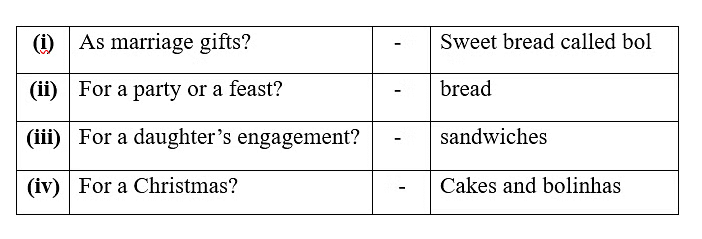
Ans: Yes, bread is an incredibly important part of Goan life. Meaningful village festivals and parties are considered incomplete without bread. Sweet bread, known as bol, is an essential marriage gift. Furthermore, sandwiches must be prepared by the lady of the house for her daughter's engagement, and cakes and bolinhas are essential for Christmas. This constant demand proves that bakers remain a crucial part of Goan life.
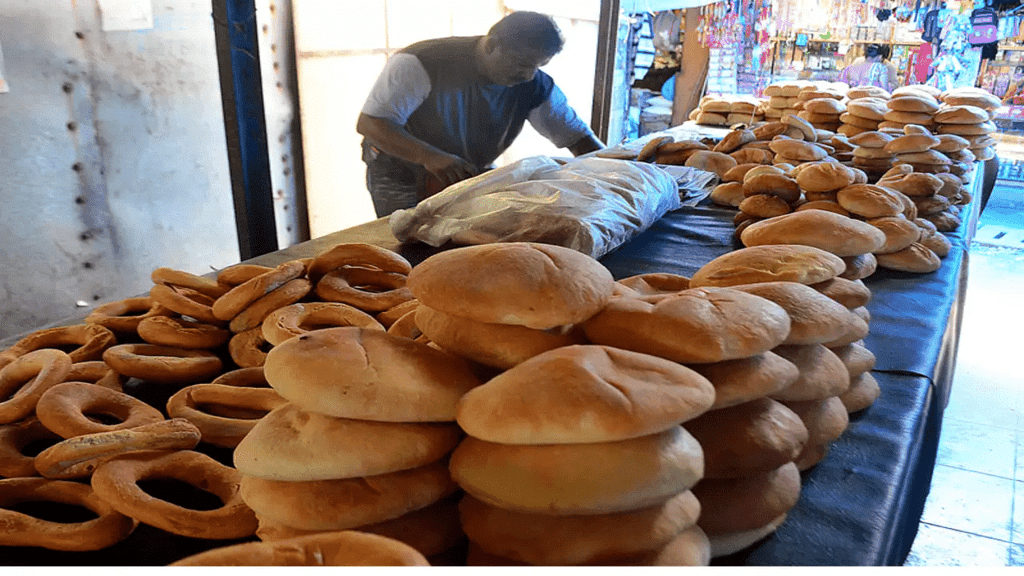 Goan Breads
Q.16. What marks of the Portuguese way of life can still be seen in Goa?
Ans: Traces of the Portuguese way of life can still be clearly seen in Goa's food and baking traditions. The eaters of the famous Portuguese loaves of bread might have vanished, but the makers are still there. The traditional bakers, their mixers, moulders, and the age-old furnaces used to bake the bread still exist, showing how Portuguese customs have left a lasting mark on local culture.
Q.17. What does the author recall about the visit of the baker to his village?
Ans: The author fondly recalls that the baker used to visit the village twice daily. He remembers the baker as a friend and companion during his childhood. The baker carried a specially made bamboo staff, and its jingling thud often woke the children from their sleep, prompting them to run and greet him.
Q.18. How was the village baker very important for special occasions in the village?
Ans: The village baker was extremely important because he supplied special sweet breads like bol, which were essential for weddings and festivals. Marriage gifts were considered meaningless without this sweet bread. Additionally, engagement sandwiches, Christmas cakes, and bolinhas all depended entirely on the baker's fresh products, making his role central to every village celebration.
Q.19. Describe the bread-seller's dress.
Ans: During the Portuguese days, the bread-seller traditionally wore a peculiar, distinctive single-piece frock called a kabai that reached down to the knees. Later, during the author's childhood, the bakers adopted a different attire consisting of a shirt and trousers. These trousers were uniquely styled to be shorter than full-length trousers but slightly longer than regular half pants.
Q.20. When did the baker collect his bills? What showed that the bakers were prosperous?
Ans: The baker usually collected his bills at the end of the month, and the monthly household accounts were often recorded on some wall in pencil. The prosperity of the bakers was clearly visible through the well-fed appearance of their families and servants. Their plump bodies served as an open testimony that baking was a highly profitable profession that provided a steady income.
Q.21. What are the childhood memories described by the author?
Ans: The author fondly remembers his childhood days in Goa when the village baker played an incredibly important part in daily life. He vividly recalls the baker's musical entrance with the bamboo staff, the children's excitement to get bread-bangles, the sweet smell of fresh bread, and how essential these baked goods were to all local festivals and family events.
Q.22. What do the elders reminisce about and why?
Ans: The elders nostalgically reminisce about the good old Portuguese days and the famous, delicious loaves of bread that were once a staple. They remember these loaves fondly because bread was an integral part of all major celebrations, such as marriages, engagements, and festivals. The absence of these baked goods would make those special occasions feel entirely incomplete.
Q.23. How can you say that the makers of the famous Goan loaves are still there?
Ans: We can say that the makers are still present because the traditional mixers, moulders, and those who bake the loaves continue to work in Goa. Many of the age-old, time-tested furnaces still burn brightly. Furthermore, in some places, the traditional jingling thud of the baker's bamboo staff during his early-morning rounds can still be heard, proving that the family trade has been successfully passed down through generations.
Q.24. How did the baker make his musical entry on the scene in the morning?
Ans: The baker made his musical entry with the special jhang, jhang sound produced by his specially made bamboo staff. One hand supported the basket on his head, while the other hand banged the bamboo on the ground. This rhythmic sound woke the children in the morning, and they eagerly ran out to greet him, excited by both the music and the sweet bread.
Q.25. Why was the baker a friend and companion of the children?
Ans: The baker was considered a friend and companion because his daily arrival brought immense joy and excitement to the children. They thoroughly enjoyed the jingling music of his bamboo staff and eagerly looked forward to choosing their favourite bread-bangles. He interacted warmly with them, making him a very familiar and comforting presence in their daily childhood routine.
Q.26. What importance did the baker's furnace have in the village of Goa?
Ans: The baker's furnace held absolute importance in a Goan village because it produced the essential loaves and sweetbreads needed for both daily meals and special occasions. Without the traditional furnace, important events like marriages, engagement parties, and Christmas festivals would lack the customary breads, cakes, and bolinhas that complete these celebrations.
Q.27. Describe the changes in the dress of the baker or the pader with time.
Ans: During the old Portuguese rule, the bakers traditionally wore the kabai, which was a peculiar single-piece long frock reaching down to the knees. Over time, this traditional attire gave way to a relatively more modern outfit. During the author's childhood, the pader began wearing a shirt and trousers that were distinctly shorter than full-length trousers but longer than regular half pants.
Q.28. What was the attitude of the baker towards (i) the lady of the house, (ii) the children, and (iii) the maid servant?
Ans: The baker showed a distinct and appropriate attitude towards everyone in the household. He would always greet the lady of the house politely with a "Good morning" before placing his basket on the vertical bamboo. Towards the children, he was kind but firm; he would gently push them aside with a mild rebuke so that the regular orders could be taken. Finally, he would hand over the freshly baked loaves directly to the maid-servant of the house for distribution.
Q.29. How did the children behave when they were pushed aside with a mild rebuke by the pader?
Ans: Even when the baker gently pushed them aside with a mild rebuke, the children simply refused to give up. They would eagerly climb a bench or the parapet to peep into the large basket, desperately longing to choose their favourite bread-bangles. The delightful aroma of the loaves and the jingling sound of the bamboo always continued to fascinate them.
Q.30. Why didn't the children even care to brush their teeth or wash their mouths properly?
Ans: The musical jingling thud of the pader woke the children up so quickly that they ran out without bothering to brush their teeth or wash their mouths properly. Their sheer excitement to greet the baker and choose their sweet bread-bangles was far greater than their concern for morning routines. Furthermore, they believed that they could simply rely on hot tea to wash and clean everything up nicely afterwards.
Short Answer Questions: Glimpses of India (Part- II) Coorg
 Q1: Where is Coorg situated?
Ans: Coorg, also known as Kodagu, is a beautiful district in Karnataka situated midway between Mysore and the coastal town of Mangalore. This district is known for its picturesque landscapes, beautiful waterfalls, lush green coffee plantations, and misty hills.
Q2: What are the people of Coorg a descendants of?
Ans: The people of Coorg are believed to be a descendants of Greek and Arab people who intermarried with the locals. The Kodavus, as they are called, have a unique culture, traditions, and festivals that are influenced by their rich heritage.
Q3: Which crops grow in Coorg in plenty?
Ans: Coorg is famous for its coffee plantations and is one of the largest coffee producers in India. Apart from coffee, the district is also known for the cultivation of spices like cardamom, pepper, and cinnamon.
Q4: What is the best time of the year to visit Coorg?
Ans: The best time to visit Coorg is between September and March when the weather is pleasant, and the hills are covered with lush greenery. This time is perfect for trekking, sightseeing, and exploring the natural beauty of the region.
Q5: Why did a part of Alexander's army settle here?
Ans: A part of Alexander's army, known as the Macedonian Greeks, settled in Coorg after their return became impractical due to the dangerous sea route. They intermarried with the locals and influenced the culture and traditions of the region.
Q6: What is so similar between the Kodavus and the Arabs?
Ans: The Kodavus have a unique dress sense, and their long black coat with an embroidered waist belt is similar to the one worn by the Arabs. This similarity is due to the Arab descent of some of the locals.
Q7: What kind of tales do the Coorg people tell their children?
Ans: The Coorg people tell their children tales of the bravery and valour of their ancestors, who were known for their courage and fighting skills. They also have a tradition of naming their children after their ancestors who were brave warriors.
Q8: Who was the first chief of the Indian Army?
Ans: General K. M. Cariappa was the first Indian Commander-in-Chief of the Indian Army. He was a Kodavu and hailed from the district of Coorg.
Q10: Which hills are found therein Coorg?
Ans: The Brahmagiri hills are one of the major hill ranges in Coorg and are known for their scenic beauty and trekking trails. These hills are also home to the Brahmagiri Wildlife Sanctuary, which is home to several species of flora and fauna
Q11: What is the district headquarters of Coorg?
Ans: Madikeri, also known as Mercara, is the district headquarters of Coorg. It is a charming town located in the hills and is known for its beautiful views, historic sites, and bustling bazaars.
Q12: Coorgis are hospitable by nature. Explain.
Ans: Coorgis are a proud race of martial men and beautiful women. They are very hospitable and entertain their guests by relating stories of the bravery of their sons and fathers.
Q13: Why is Coorg called the land of rolling hills?
Ans: Coorg is called the land of rolling hills because it has a lot of hills and is itself a hill station. The hills seem to roll down in a panoramic view.
Q14: Describe the natural beauty of Coorg.
Ans: Coorg is situated midway between Mysore and the coastal town of Mangalore in Karnataka state. It is a beautiful region of 'rolling hills' and lush green rainforests. It is famous for coffee, spices, and wildlife.
Q15: Describe the wildlife of Coorg.
Ans: Freshwater fish abound in the rivers of Coorg. Kingfishers dive for fish, and squirrels and langurs throw partially eaten fruit into the water, enjoying the splash. Elephants are often seen bathing in the river.
Q16: What do you know about Bylakuppe' as mentioned in the lesson, 'Coorg'?
Ans: 'Bylakuppe' in Coorg has India's largest Tibetan settlement.
Q17: Coorg is a tourist's paradise. Discuss concerning the extract from 'Glimpses of India'.
Ans: Coorg is the smallest district in Karnataka, located between Mysuru and Mangaluru. It is famous for its natural beauty, rainforests, coffee and spice plantations, hospitality, wildlife, and adventure activities. All these make it a tourist's paradise.
Q18: What does the writer say about Coorg?
Ans: The writer says that Coorg is the smallest district of Karnataka. It is known as Kodagu also. Coorg lies between the coastal town of Mangalore and Mysore. It is a very beautiful place. The writer says that it must have come from the kingdom of God.
Q19: What is Coorg famous for? What is the best season to visit Coorg?
Ans: Coorg is famous for its coffee plantations, evergreen rainforests, and spices Thirty per cent of its area is covered with evergreen rainforests The best season to visit this place is from September to March. The air is full of coffee flavour.
Q20: Where and how can we have a panoramic view of the misty landscape of Coorg from?
Ans: The tourists are advised not to miss a climb to the Brahmagiri hills. The climb to the Brahmagiri hills gives you a panoramic view of the entire misty landscape of Coorg. Then you can walk across the rope bridge. It will lead you to the sixty-four-acre island of Nisargadhama.
Q21: Describe the largest Buddhist settlement in Coorg.
Ans: Below the rolling hills lies the largest Tibetan settlement in India in Coorg. The Buddhist temple at Bylakuppe is famous for its grandeur and beauty. The monks in their red, ochre, and yellow robes represent the heart and soul of India, right here in Coorg.
Q22: What does the writer say about the bravery of the Coorgi people?
Ans: The writer says that the Coorgi people are brave. Their tales of bravery are famous. The Coorg regiment is one of the most decorated in the Indian Army. The first Chief of the Indian Army, General Cariappa, was a Coorgi. Even today, the Kodavus are the only people in India who are allowed to carry firearms without a license.
Q23: Describe the geographical location of Coorg.
Ans: Coorg or Kodagu is the smallest district in Karnataka. It lies between Mysore and the coastal town of Mangalore. This piece of heaven may also be called the land of rolling hills. It is the home of evergreen rainforests, spices, and coffee plantations. During the monsoons, Coorg has a lot of rain.
Q24: Describe the people and culture of Coorg.
Ans: Coorg is inhabited by a proud race of martial men, beautiful women, and wild creatures. Coorgi homes have a tradition of hospitality. There are many tales of valor related to the people of Coorg. The Coorg Regiment is one of the most decorated in the Indian Army. General Cariappa, the first Chief of the Indian Army, was a Coorgi. Kodavas are the only people in India permitted to carry firearms without a license.
Q25: Describe the climate, birds, and animals of Coorg.
Ans: During the monsoons, Coorg has a lot of rain. It pours enough to keep many tourists away. The best tourist season starts from September and continues till March. The very air of Coorg smells of Coffee. Kingfishers, squirrels, langurs, wild elephants, bees, and butterflies abound in the rainforests of Coorg.
Q26: Describe the possible descent of the people of Coorg.
Ans: The people of Coorg, their rituals and traditions are quite different from the Hindu mainstream. According to one story. a part of Alexander's army travelling the coast, settled here as their return became impractical. So, are believed to be of Greek origin. The Coorgi dress, a long, black coat with an embroidered waist belt resembles the Kuffia worn by the Arabs: So, some think that they are of Arabic origin.
Q27: How has the tradition of courage and bravery been recognized in modern India? Give examples from the text.
Ans: The people of Coorg are known for being fiercely independent, brave, and courageous. There are numerous tales of valour connected with the people of Coorg. The Coorg Regiment is one of the most decorated regiments in the Indian Army. The first Chief of the Indian Army, General Cariappa, was a Coorgi. The Coorgis are the only people in India who are permitted to carry firearms without a license.
Q28: How do the most laidback individuals become the life of high-energy adventures in Coorg?
Ans: Coorg offers many outdoor high-energy adventures. Even the most laidback individuals become converts to a life of high-energy adventures. They enjoy river rafting, canoeing, rappelling, rock climbing and mountain biking. Numerous walking trails in Coorg are a favourite with trekkers.
Long Answer Questions: Glimpses of India (Part- I) A Baker From Goa
Q1. Why is a "baker's furnace" necessary in a Goan village?
Ans: The baker's furnace is necessary because traditional bread and baked goods remain central to many social and religious occasions in Goa. Items such as bol (a sweet bread), bolinhas and cakes are needed for festivals, weddings, engagements and family celebrations. These foods are best produced in the large, clay or brick furnaces that bakers have used for generations. The furnace therefore supports local customs, provides daily fresh bread to households and helps sustain the livelihood of the baker, making it an essential feature of village life.
Q2. Describe the childhood memories of the author's life in Goa and his fondness for bread and cakes.
Ans: The author's childhood memories recall the baker, or pader, as an important and welcome figure in village life. The pader came twice each day with a basket of freshly baked loaves, his arrival announced by the cheerful sound of his bamboo staff, "jhang, jhang." Children ran out to meet him, excited to choose bread-bangles or sweet breads that were reserved for special occasions. The visits were social moments too: people exchanged brief conversation, bought bread for the day and savoured the smell and taste of fresh loaves. These memories show the author's fondness for the simple pleasures of bread and cakes and the way they were woven into family life and festivals.
Q3. The narrator shares, "Baking was indeed a profitable profession in the old days."
(a) What do you feel has changed now? Why?
Ans: (a) Over time, the social importance of the village baker has declined somewhat. Dietary habits have shifted, and many people now buy packaged or factory-made breads from bakeries and shops. Urbanisation and new food options have reduced the number of daily customers who depended on the pader. At the same time, changes in economy and lifestyle mean that families may not require the same quantities of traditional breads as before.
(b) Ans: The paders can regain their lost glory by combining their traditional skills with small modern improvements. By maintaining the authentic recipes and flavours that people value for festivals, improving hygiene and presentation, and by reaching customers through reliable deliveries and local promotion, they can attract both older patrons and a new generation who appreciate artisanal, traditional breads.
 Bread Bangles
Q4. Baking was a profitable profession in the old days in Goa. Prove it by giving examples.
Ans: Baking was profitable because bread and related items were indispensable at many important occasions. For example, a marriage gift was incomplete without the sweet bread called bol. Bolinhas were an essential treat at Christmas and other festivals, and sandwiches prepared at engagements relied on fresh bread from the pader. Bakers often collected monthly payments from regular customers, and their steady income showed in their comfortable appearance and well-fed families. Such social dependence on their products ensured a reliable business and a good livelihood for bakers in those days.
Q5. How is the effect of the traditional bread bakers can still be seen in Goa of today?
Ans: The influence of traditional bakers is still visible in several ways. Many villages retain their old furnaces and some paders continue to wear the traditional long frock. The Portuguese-style loaves and festive breads are still made for weddings, Christmas and other ceremonies, so the culinary legacy survives. Door-to-door delivery by bakers continues in places, and families still call on paders for special orders during festivals. Although fewer people may eat bread daily now, the customs that depend on these traditional baked items keep the baker's craft alive in Goa today.
Q6. Justify the opinion that the traditional baker and his bread play a significant role in the cultural and social fabric of Goan society.
Ans: The traditional baker holds a central place in Goan cultural and social life because his products are closely tied to customs and celebrations. Portuguese influence introduced particular types of loaves that became customary gifts and essential parts of feasts. Bakers supply foods required for rites of passage, weddings and religious festivals, so their work supports communal rituals. In addition, the baker often serves as a familiar neighbour who visits daily, reinforcing local social ties. By passing the craft from one generation to the next, bakers help preserve a distinct culinary heritage that links present-day Goa to its past.
Q7. Give a pen portrait of a baker in Goa.
Ans: The Goan baker, or pader, is a steady, well-regarded figure in village life. Traditionally he wore a knee-length frock called a kabai, though in later years many adopted shirts and shorter trousers. He is usually prosperous in appearance and physique, a sign that his work provided for his family. The pader worked early and late, bringing fresh bread twice daily in a basket and calling out as he moved from house to house. Children knew his bamboo staff by sound and looked forward to choosing special breads. He was more than a tradesman; he was a familiar presence who contributed to the daily rhythm and festive needs of the community.
Long Answer Questions: Glimpses of India (Part- II) Coorg

Q1. Describe the rainforests, the river Kaveri and coffee plantations in Coorg.
Ans: Coorg, also called Kodagu, is known for its lush, undulating countryside dominated by thick evergreen rainforests. These forests cover about thirty percent of the district and receive heavy monsoon rainfall, which keeps the soil fertile and the vegetation dense. The rainforests harbour a wide range of plant life and support rich wildlife. The dense tree cover helps conserve soil moisture, reduces erosion on the slopes and maintains local climate stability.
The Kaveri River rises in Coorg and flows eastwards to irrigate large areas of Karnataka and Tamil Nadu before reaching the Bay of Bengal. In Coorg the river forms clear pools and swift stretches that are ecologically important. These waters support fish such as the Mahaseer, a prized freshwater fish popular with anglers, and provide habitat for many riverine birds and other aquatic life.
The region's coffee plantations are a defining feature of its landscape. The combination of red loamy soil, high rainfall and cool hill temperatures produces quality coffee beans. Plantations are often laid out under shade trees, forming a patchwork across the slopes. Many estates welcome visitors who can see how coffee is grown and processed and can taste freshly brewed coffee amidst fragrant, leafy surroundings.
Q2. What does the author say about the people of Coorg?
Ans: The author describes the people of Coorg as brave, independent and proud of their distinct identity. He notes that they observe unique marriage customs, religious practices and marital traditions that set them apart from many other communities. Two theories about their ancestry are mentioned: one links them to soldiers of Alexander who may have settled in the hills, and the other suggests possible Arab influence reflected in certain styles of dress. The people are praised for their warm hospitality and valour; the Coorg Regiment has a distinguished record in the Indian Army, and General Cariappa, India's first Chief of Army Staff, was a Coorgi. Traditionally, Kodavus have also been permitted to carry firearms as part of certain customary practices.
 Kodava People
Q3. Describe the physical and geographical features of Coorg.
Ans: Coorg is a small but picturesque district in Karnataka, lying roughly midway between Mysore and the coastal town of Mangalore. It is characterised by rolling hills, thick evergreen rainforests and extensive coffee plantations. Nearly thirty per cent of the district is forested; these forests keep the region cool and green for most of the year. Coorg receives heavy monsoon rains followed by a pleasant season from September to March, which makes it well-suited to sightseeing and outdoor activities. The Brahmagiri hills rise within the district and offer panoramic views over mist-covered valleys. Tourist spots such as the sixty-four-acre island of Nisargadhama provide tranquil surroundings and a chance to observe local flora and fauna. Together, these physical features give Coorg its natural charm and sustain its agricultural economy.
Q4. What are popular theories regarding the descent of the people of Coorg?
Ans: Two widely mentioned theories attempt to explain the origins of the Coorgi people. One proposes a Greek descent, suggesting that soldiers from Alexander's army may have marched south, settled in the hills and intermarried with local women, thereby influencing local customs and appearance. The other proposes Arab origins, pointing out resemblances between the long black coat with an embroidered waist-belt called the kuppia and garments such as the kuffia worn in parts of the Arab world. Both theories are offered to account for certain distinctive cultural traits of the Kodavus, but neither is presented as conclusive.
 Kuppia
Q5. Which kind of animals are we likely to see at Coorg?
Ans: Coorg's forests and river valleys are home to a variety of wildlife. Visitors may see many species of birds, as well as bees and butterflies. In the trees, one can spot Malabar squirrels and langurs at play. Wild elephants are also found in the forested areas and are sometimes seen near waterholes. The Kaveri and its clear pools support fish such as the Mahaseer, and riverbanks attract kingfishers and other water birds. This diversity of fauna makes Coorg attractive to nature lovers and birdwatchers.
Q6. Why does the author call Coorg 'a piece of heaven' that must have drifted from the kingdom of God?
Ans: The author calls Coorg 'a piece of heaven' because of its exceptional natural beauty and peaceful atmosphere. Its rolling hills and mist-filled valleys, vast stretches of evergreen forest and the scent of coffee from plantations give the region an idyllic quality. Clear streams of the Kaveri, sightings of Mahaseer, playful langurs and squirrels, and the sight of elephants being bathed in river shallows all add to a strong sense of calm and wonder. Scenic high points such as the Brahmagiri hills and tranquil spots like Nisargadhama enhance this impression, so that Coorg seems like a small, perfect corner of nature set apart from the busy world.
Long Answer Questions: Glimpses of India (Part- III) Tea from Assam
Q1: What are the legends related to the discovery of tea?
Ans: There are many popular legends about the discovery of tea. Two of them are as follows -
A Chinese emperor used to drink only boiled water. One day a twig from the fire fell into the pot in which water was being boiled and the water acquired a pleasant flavour. It is said that those were tea leaves and that this chance event led to the discovery of tea. An Indian legend tells of a Buddhist ascetic who felt sleepy during long meditations. To prevent sleep he cut off his eyelids. From the spots where the eyelids fell, ten tea plants are said to have grown. When the leaves of these plants were brewed, the drink kept a person awake and refreshed.
Q2: What details do you gather about tea from the lesson, 'Tea from Assam'?
Or
What information do you gather about the history of tea after reading the lesson, 'Tea from Assam'?
Ans: Tea was first consumed in China and even the words 'chai' and 'chini' have Chinese origins. Its use goes back to about 2700 B.C. Tea reached Europe in the sixteenth century, where at first it was taken more as a medicine than as an ordinary drink. Assam today has the largest concentration of tea plantations in the world and is one of India's chief tea-producing regions. Large groups of women, carrying bamboo baskets on their backs, pluck the newly sprouted tea leaves by hand. The scene of neatly pruned rows of bushes and the regular activity of plucking is a distinctive feature of tea gardens.
Q3: What landscape did Rajvir notice while sitting in the train?
Ans: Rajvir was fascinated by the scenic beauty he saw from the train. There were vast green tea gardens on both sides of the track. Behind these gardens, tall trees stood in the forests on rolling hills, which looked very beautiful. The women plucking tea leaves, with bamboo baskets on their backs, appeared like moving dolls from a distance. At one stop a vendor cried out, 'chai-garam garam-chai', and people drank tea on the platform. Rajvir also noticed an ugly building from which smoke was rising from the chimneys. He was received by Mrs and Mr Barua and taken to Dhekiabari Tea Estate. On both sides of the gravel road were acres of neatly pruned tea bushes. It was the second sprouting period and many women, wearing plastic aprons, were busy plucking the new leaves and putting them into their baskets.
Q4. What excited Rajvir? Why did Pranjol not share his excitement?
OR
Why was Rajvir excited to see the tea gardens?
OR
What made Rajvir amazed in the way?
Ans: Rajvir was extremely excited to see the tea gardens because he had never visited one before. Although he had read about tea plantations and seen pictures, the actual sight of endless rows of tea bushes stretching as far as the eye could see was a new and thrilling experience. He was struck by the beauty and vastness of the gardens and by the rhythmic activity of the workers plucking leaves.
Pranjol, however, did not share this excitement. He had been born and brought up on a tea estate and had seen such scenes many times. For him the landscape was familiar and part of everyday life, so it did not seem unusual or especially exciting.
Q5: Pranjol was born and brought up on a tea estate in Assam but he was Rajvir who knew much about tea leaves and the legends associated with tea. Base your answer on their visit to Dhekiabari Tea Estate in Assam.
Ans: Pranjol was indeed born and brought up on a tea plantation. His father managed the Dhekiabari Tea Estate in Assam. However, his friend Rajvir's knowledge about tea and its history was more profound than his. The reason was simple. Rajvir had done a lot of reading about tea and its history. He even surprised Pranjol's father with his in-depth knowledge of the subject. Rajvir's visit to Dhekiabari was an opportunity for him to connect his reading and knowledge to the real existing tea plantation. He was fascinated by the magnificent sea of tea bushes stretching as far as his eyes could go. He saw with his own eyes the groups of tea pluckers, with bamboo baskets on their backs, plucking the newly sprouted leaves. His studies helped him to recognise that the trailer-load of tea leaves was the second flush or the sprouting period that gives the best tea.
Q6: Based on your reading of the chapter "Tea From Assam", write a paragraph on the topic- importance of Tea in India.
OR
You know that everybody drinks tea every day in India. It banishes our sleep and makes us feel fresh. Describe the importance of tea in India.
Ans: Tea is an important part of daily life in India, with millions of people beginning their day with a cup. India has become one of the world's largest tea producers and has even surpassed China in overall production. About seventy per cent of the tea produced in India is consumed within the country. Regions such as Assam and Darjeeling are famous for their distinctive teas.Tea became widely popular in India during the 1950s. The tea industry is labour-intensive and provides employment to a large number of people, making it the second-largest employer in the country. Tea plants grow well in humid climates with some shade, and their cultivation supports many families and local economies. Besides being a popular drink, tea is valued for its refreshing quality and many people use it to feel alert and energetic.
Q7: Where were Pranjol and Rajvir going? What did Rajvir see when he looked out of the train on the way?
Ans: Pranjol lived in Assam and was studying in a school in Delhi. His classmate Rajvir accompanied him to Assam during the summer vacation to visit Pranjol's home. Pranjol's father managed a tea garden in Upper Assam. During the train journey, when the train stopped at a station, a vendor called out 'chai-garam garam-chai' and they bought tea. While Pranjol read a detective book, Rajvir looked out of the window and saw beautiful scenery. The soft green paddy fields soon gave way to neatly pruned tea bushes. A vast sea of tea plants stretched as far as he could see, and groups of tea pickers were busy plucking the newly sprouted leaves.
Q8: What did Rajvir tell Pranjol about the discovery of tea?
Ans: Rajvir explained that the true origin of tea is not known and that many legends try to account for its discovery. One Chinese legend says a Chinese emperor who always boiled water found that a few leaves from nearby twigs fell into his pot and gave the water a pleasant flavour; these were believed to be tea leaves. An Indian legend involves Bodhidharma, an ancient Buddhist monk, who cut off his eyelids to avoid falling asleep during meditation. From the places where his eyelids fell, ten tea plants are said to have grown; the leaves of those plants brewed into a drink that banished sleep. Rajvir also mentioned that tea was first drunk in China around 2700 B.C., that words like 'chai' and 'chini' are of Chinese origin, and that tea reached Europe in the sixteenth century where it was initially used more as a medicine than as a common beverage.
Q9: What did Rajvir see during his train journey? Why was he more excited than his friend Pranjol?
Ans: During the train journey Rajvir saw a continuously changing green landscape. First there were soft green paddy fields, and then vast stretches of tea bushes appeared. The tea bushes were arranged in neat rows and pruned to a uniform height. Groups of tea pickers carrying bamboo baskets on their backs were plucking the new leaves. Rajvir was more excited because this was the first time he had seen such a wide and orderly expanse of tea gardens; everything was new and wonderful to him. Pranjol, by contrast, had grown up in similar surroundings and so the scene was familiar and ordinary to him.
Q10: What are different legends related to tea leaves?
Ans: Several legends surround the origin of tea leaves. One Chinese legend tells of an emperor who boiled water before drinking it; a few leaves from burning twigs fell into the pot and flavoured the water, and these leaves are thought to have been tea. An Indian legend involves Bodhidharma, a Buddhist ascetic, who cut off his eyelids to prevent sleep during meditation; ten tea plants are said to have grown from those eyelids, and their leaves produced a drink that banished sleep. Historical records indicate that tea was first consumed in China as early as 2700 B.C., and words such as 'chai' and 'chini' have Chinese roots. Tea reached Europe in the sixteenth century, where it was initially used as a medicine rather than a regular drink.
NCERT Solutions:
Page No: 64
Oral Comprehension Check
Q1: What are the elders in Goa nostalgic about?Ans: The elders in Goa feel nostalgic about the Portuguese days and the old customs connected with their famous bread loaves. They remember the flavour, the smells and the habits of those times; although many of the people who used to eat those loaves have disappeared, the bakers themselves still survive.
Q2: Is bread-making still popular in Goa? How do you know?
Ans: Yes, bread-making is still popular in Goa. It is evident from the fact that the bread makers still exist, though the eaters have gone away. The presence of the mixers, moulders, the ones who bake the loaves and the time-tested furnaces are a proof of their existence
Q3: What is the baker called?
Ans: The bakers are known as pader.
Q4: When would the baker come every day? Why did the children run to meet him?
Ans: The baker used to come twice a day, once when he set out on his morning round to sell bread and again when he returned after emptying his large basket. The children ran to meet him not for the regular loaves bought by the household maid-servant but for the special bread bangles and occasionally for a sweet bread of special make, which they chose eagerly.
Page No: 65
Oral Comprehension Check
Q1: Match the following. What is a must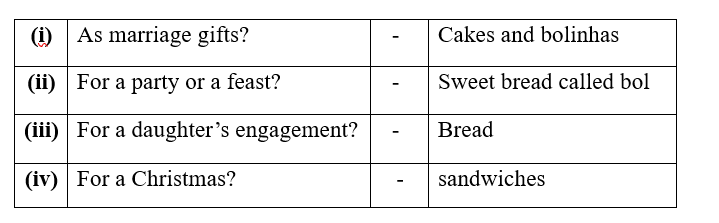
Ans:
Q2: What did the bakers wear: (i) in the Portuguese days? (ii) when the author was young?
Ans: (i) In the Portuguese days, the bakers wore a peculiar single-piece frock called the kabai, which reached down to the knees.
(ii) When the author was young, bakers commonly wore a shirt and trousers that were shorter than full-length trousers but longer than short pants.
Q3: Who invites the comment - "he is dressed like a pader"? Why?
Ans: Anyone who wears half-pants that reach just below the knees attracts the comment "he is dressed like a pader." This comparison arose because the bakers, known as paders, traditionally wore such half-length trousers.
Q4: Where were the monthly accounts of the baker recorded?
Ans: The baker's monthly bills were usually collected at the end of the month and recorded with a pencil on a wall inside the house where customers kept track of what they owed.
Q5: What does a 'jackfruit-like appearance' mean?
Ans: A 'jackfruit-like appearance' describes a plump, well-filled physique. Bakers and their families often looked prosperous and well fed, so the phrase suggests a healthy, rounded build rather than thinness.
Page No: 66
Thinking About the Text
Q1: Which of these statements are correct?(i) The pader was an important person in the village in the old times.
(ii) Paders still exist in Goan villages.
(iii) The paders went away with the Portuguese.
(iv) The paders continue to wear a single-piece long frock.
(v) Bread and cakes were an integral part of Goan life in the old days.
(vi) Traditional bread-baking is still a very profitable business.
(vii) Paders and their families starve in the present times.
Ans:
(i) Correct
(ii) Correct
(iii) Incorrect. Paders did not disappear with the Portuguese; some still remain in Goan villages.
(iv) Incorrect. Paders no longer typically wear the old single-piece long frock; most now wear shirts and trousers of varying lengths.
(v) Correct. Bread and cakes were indeed an important part of Goan life in earlier times and continued to be so for many occasions.
(vi) Correct. Traditional bread-baking has continued to be a profitable trade in many places.
(vii) Incorrect. Paders and their families were described as looking prosperous rather than starving.
Q2: Is bread an important part of Goan life? How do you know this?
Ans: Yes. Bread plays an important role in Goan life. It is used for marriage gifts and festival feasts, and mothers prepare sandwiches from loaves for engagements. The author notes how the fragrance of fresh loaves is appreciated by everyone, how elders are served loaves and youngsters long for bread bangles. These details show that bread was - and in many ways still is - necessary for family occasions and celebrations, which makes baking a steady and profitable business.
Q3: Tick the right answer. What is the tone of the author when he says the following?
(i) The thud and the jingle of the traditional baker's bamboo can still be heard in some places. (nostalgic, hopeful, sad)
(ii) Maybe the father is not alive but the son still carries on the family profession. (nostalgic, hopeful, sad)
(iii) I still recall the typical fragrance of those loaves. (nostalgic, hopeful, naughty)
(iv) The tiger never brushed his teeth. Hot tea could wash and clean up everything so nicely, after all. (naughty, angry, funny)
(v) Cakes and bolinhas are a must for Christmas as well as other festivals. (sad, hopeful, matter-of-fact)
(vi) The baker and his family never starved. They always looked happy and prosperous. (matter-of-fact, hopeful, sad)
Ans:(i) Nostalgic
(ii) Hopeful
(iii) Nostalgic
(iv) Funny
(v) Matter-of-fact
(vi) Matter-of-fact
| Get additional INR 200 off today with EDUREV200 coupon. | Avail Offer |
Page No: 78
Writing
I. In this extract, the author talks about traditional bread-baking during his childhood days. Complete the following table with the help of the clues on the left. Then write a paragraph about the author's childhood days.
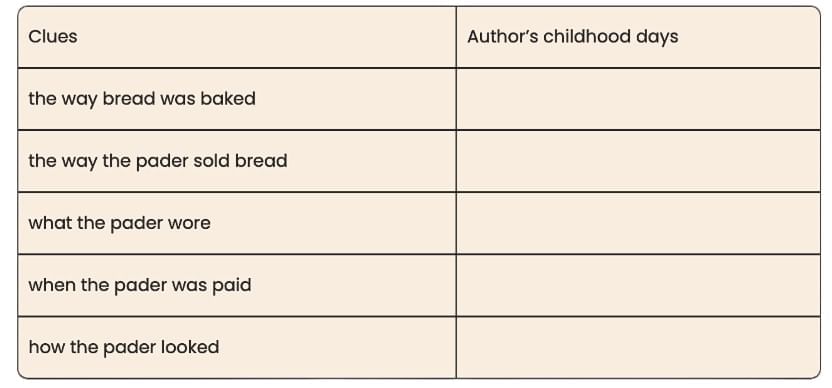
Ans:

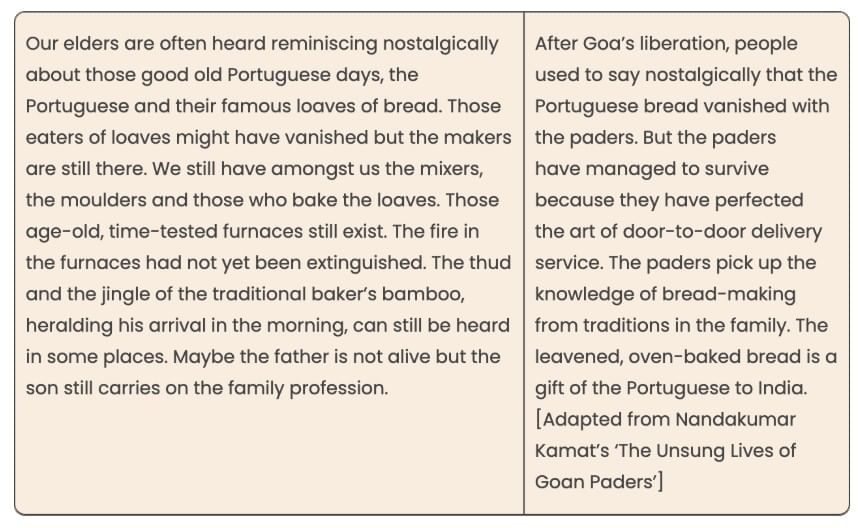
II. Q1: Compare the piece from the text (on the left below) with the other pieceon Goan bakers (on the right). What makes the two texts so different?Are the facts the same? Do both writers give you a picture of the baker?
Q2: Now find a travel brochure about a place you have visited. Look at thedescription in the brochure. Then write your own account, adding detailsfrom your own experience, to give the reader a picture of the place,rather than an impersonal, factual description.
Ans: This is a personal activity; answers will vary depending on the student's visits and observations.
Also watch: NCERT Explainer: Glimpses of India |
Page No: 70
Thinking about the Text
Q1: Where is Coorg?Ans: Coorg is the smallest district of Karnataka, situated roughly midway between Mysore and Mangalore.
Q2: What is the story about the Kodavu people's descent?
Ans: It is believed that the fiercely independent Kodava people are descended from settlers of Greek or Arab origin. According to one account, a section of Alexander's army moved south along the coast and settled in the region; they intermarried with local people and their distinct martial traditions, marriage customs and religious rites reflect this mixed heritage.
Q3: What are some of the things you now know about
(i)the people of Coorg?
(ii) the main crop of Coorg?
(iii) the sports it offers to tourists?
(iv) the animals you are likely to see in Coorg?
(v) its distance from Bangalore, and how to get there?
Ans:
(i) The people of Coorg are proud and independent. They are said to have Greek or Arab ancestry and are known for their hospitality and martial traditions. Kodavas are permitted to carry firearms without a licence under traditional arrangements. The author describes them as a race of brave men and attractive women who enjoy recounting tales of valour.
(ii) Coffee is the principal crop of Coorg. Coffee estates and colonial bungalows lie under a canopy of trees, and the air often carries the invigorating scent of coffee.
(iii) Tourists can enjoy adventure sports such as river rafting, canoeing, rappelling, rock climbing, mountain biking and trekking.
(iv) Wildlife in Coorg includes macaques, Malabar squirrels, langurs, slender lorises and wild elephants. Birds, bees and butterflies are also commonly seen around plantations and forests.
(v) By road, Coorg is about 250-260 kilometres from Bangalore. The most frequented route is via Mysore; an alternative route goes via Neelamangala, Kunigal and Channarayapatna.
Page No: 71
Q4: Here are six sentences with some words in italics. Find phrases from the text that have the same meaning. (Look in the paragraphs indicated)(i) During monsoons, it rains so heavily that tourists do not visit Coorg. (para 2)
(ii) Some people say that Alexander's army moved south along the coast and settled there. (para 3)
(iii) The Coorg people are always ready to tell stories of their sons' and fathers' valor. (para 4)
(iv) Even people who normally lead an easy and slow life get smitten by the high-energy adventure sports of Coorg. (para 6)
(v) The theory of Arab origin is supported by the long coat with embroidered waist-belt they wear. (para 3)
(vi) Macaques and Malabar squirrels observe you carefully from the tree canopy. (para 7)
Ans:
(i) Keep many visitors away
(ii) as one story goes
(iii) are more than willing to recount
(iv) The most laidback individuals become converts to
(v) draws support from
(vi) keep a watchful eye
| Attention! Sale expiring soon, act now & get EduRev Infinity at 40% off! | Claim Offer |
Thinking about the Language
Q1: Here are some nouns from the text.
Work with a partner and discuss which of the nouns can collocate with which of the adjectives given below. The first one has been done for you.


Ans:

Page No. 72
Q2: Complete the following phrases from the text. For each phrase, can you find at least one other word that would fit into the blank?
(i) tales of _______________
(ii) coastal _______________
(iii) a piece of ______________
(iv) evergreen ______________
(v) _____________ plantations
(vi) _____________bridge
(vii) wild __________________
You may add your own examples to this list.
Ans: From the text
(i) tales of valor
(ii) coastal town
(iii) a piece of heaven
(iv) evergreen rainforests
(v) coffee plantations
(vi) rope bridge
(vii) wild elephants
Other than the text
(i) tales of morality
(ii) coastal food
(iii) a piece of cake
(iv) evergreen hero
(v) crop plantations
(vi) sturdy bridge
(vii) wild animals
Also watch: NCERT Explainer: Glimpses of India |
Thinking about the Language
Q1: Look at these words: upkeep, downpour, undergo, dropout, walk-in. They are built up from a verb (keep, pour, go, drop, walk) and an adverb or a particle (up, down, under, out, in).Use these words appropriately in the sentences below. You may consult a dictionary.
(i) A heavy ___________ has been forecast due to low pressure in the Bay of Bengal.
(ii) Rakesh will ___________major surgery tomorrow morning.
(iii) My brother is responsible for the ______________of our family property.
(iv) The ____________rate for this accountancy course is very high.
(v) She went to the Enterprise Company to attend a _______________ interview.
Ans:
(i) A heavy downpour has been forecast due to low pressure in the Bay of Bengal.
(ii) Rakesh will undergo major surgery tomorrow morning.
(iii) My brother is responsible for the upkeep of our family property.
(iv) The dropout rate for this accountancy course is very high.
(v) She went to the Enterprise Company to attend a walk-in interview.
Q2: Now fill in the blanks in the sentences given below by combining the verb given in brackets with one of the words from the box as appropriate.

(i) The Army attempted unsuccessfully to ___________ the government. (throw)
(ii) Scientists are on the brink of a major ___________in cancer research. (break)
(iii) The State Government plans to build a ______________for Bhubaneswar to speed up traffic on the main highway. (pass)
(iv) Gautama's ____________on life changed when he realized that the world is full of sorrow. (look)
(v) Rakesh seemed unusually _______________ after the game. (cast)
Ans: (i) The Army attempted unsuccessfully to overthrow the Government.
(ii) Scientists are on the brink of a major breakthrough in cancer research.
(iii) The State Government plans to build a bypass for Bhubaneswar to speed up traffic on the main highway.
(iv) Gautama's outlook on life changed when he realised that the world is full of sorrow.
(v) Rakesh seemed unusually downcast after the game.
Page No: 75
Q1: Think of suitable -ing or -ed adjectives to answer the following questions.How would you describe
(i) a good detective serial on television? ___________________
(ii) debate on your favorite topic 'Homework Should Be Banned'?_______
(iii) how you feel when you stay indoors due to incessant rain?_____________
(iv) how do you feel when you open a present? __________________
(v) How did you feel when you watch your favorite program on television? _______________
(vi) the look on your mother's face as you waited in a queue? ______________
(vii) how you feel when tracking a tiger in a tiger reserve forest?______________
(viii) the story you have recently read, or a film you have seen?______________
Ans:
(i) A good detective serial on television would be described as interesting.
(ii) A debate on the topic 'Homework Should Be Banned' would be exciting.
(iii) I feel bored when I have to stay indoors because of incessant rain.
(iv) I feel excited when I open a present.
(v) I feel interested when I watch my favourite programme on television.
(vi) The look on my mother's face as I waited in a queue was tired.
(vii) When tracking a tiger in a reserve, I would feel thrilled.
(viii) The story or film I have recently read or seen was engaging.
Character Sketch: Glimpses of India
I. The Baker of Goa
Character Sketch of the Baker
The baker in the story "A Baker from Goa" is a warm, steady and reliable figure who carries the past into the present. He is a hardworking man who rises daily to bake bread for his village, following the same traditional methods passed down through his family. His dedication is evident: he rarely, if ever, takes a day off and performs his routine with a quiet sense of duty. The baker announces his arrival through the cheerful jingling of a bamboo stick, a sound that the villagers, especially children, recognise and welcome.
He is nostalgic about the old Portuguese days and the customs of an earlier era; these memories inform his mannerism and the recipes he uses. Though life has its difficulties, the baker remains resilient and keeps a cheerful, patient temperament. He is kind and friendly, always ready with a smile or a small kindness for his customers. Physically he is described as plump, with a round, joyful face that matches his genial personality.
The baker performs an essential social and economic role in the village: he supplies a daily necessity, preserves a family craft, and symbolises continuity and comfort for the community. His presence reinforces themes of tradition, everyday dignity and the simple pleasures of rural life.

Keywords for the Baker:
- Hardworking
- Traditional
- Friendly
- Cheerful
- Dedicated
- Musical (bamboo-stick jingling)
- Nostalgic
- Essential to village life
II. Coorg
| Get additional INR 200 off today with EDUREV200 coupon. | Avail Offer |
Character Sketch of Coorgi People
The Coorgi people are presented as a distinct and culturally rich community living in the hills of the Western Ghats. Their landscape is famous for coffee plantations, and their lives are closely connected to nature. Coorgi customs-religious practices, marriage ceremonies and festivals-differ in form and detail from mainstream Hindu traditions, which gives their culture a strong and unique identity.
There are several legends and theories about Coorgi origins. Some local stories suggest links to foreign groups such as Greeks or Arabs; these are part of the region's oral history and should be understood as traditions rather than established historical fact. Coorgi attire, sometimes described as a long black coat with an embroidered waist-belt, has drawn comparisons with foreign garments in accounts and legends.
The Coorgis are known for a proud warrior tradition and for celebrating colourful festivals that preserve their cultural heritage. Hospitality, bravery, strong family ties and love of the hills and forests are commonly emphasised traits. Overall, Coorgi people embody a combination of pride, tradition and close relationship with their natural surroundings.
Keywords for Coorgi People:
- Brave
- Traditional
- Hospitable
- Unique cultural identity
- Nature-loving
- Proud
- Legendary roots (as per local stories)
- Culturally rich
III. Tea from Assam
Also read: Practice Questions: Glimpses of India |
Character Sketch of Rajvir
Rajvir is portrayed as a considerate and intelligent young person who thinks about others' feelings before acting. He is observant and quick to understand new ideas, showing curiosity and a love of learning. Rajvir is polite and respectful in his dealings; he listens carefully, treats people with good manners and rarely interrupts. His friendly smile and calm bearing make him pleasant to be around.
Rajvir is also determined and analytical: he faces challenges without giving up and enjoys solving problems. He demonstrates a supportive nature, offering encouragement and help to friends and family. Open-minded and willing to accept different viewpoints, Rajvir exemplifies a balanced and mature approach to relationships and responsibilities.

Keywords for Rajvir:
- Intelligent
- Thoughtful
- Respectful
- Curious
- Articulate
- Polite
- Analytical
- Supportive
- Open-minded
| Attention! Sale expiring soon, act now & get EduRev Infinity at 40% off! | Claim Offer |
Character Sketch of Pranjol
Pranjol is a knowledgeable boy who enjoys sharing what he knows with others. He is confident and speaks with self-assurance. Pranjol is welcoming, making everyone around him feel at ease. His kindness and easy-going nature help him make friends effortlessly. He is naturally curious and loves to learn new things, often asking questions and exploring new ideas. Pranjol is always willing to help others and is quick to offer assistance when needed. He is patient, taking time to explain things clearly without getting frustrated.
Pranjol is also observant, noticing details that others might overlook. He is enthusiastic about sharing his knowledge and feels excited when teaching someone something new. Pranjol is caring and looks after his friends and family, ensuring that those around him are happy and comfortable. Pranjol's friendliness, curiosity, and helpfulness make him a beloved and respected member of his community.

Keywords for Pranjol:
- Confident
- Friendly
- Helpful
- Knowledgeable
- Patient
- Observant
- Caring
- Welcoming
- Enthusiastic
Mind Map: Glimpses of India


: