

Previous Year Questions 2026
Question 1. (iii) Bread plays a pivotal role in Goan culture and tradition. Support the statement with evidences from the text. (Glimpses of India: A Baker from Goa) [3 Marks]
Answer: Bread plays a central role in Goan culture as evidenced by:
- Marriage gifts are considered meaningless without the 'bol', a special bread.
- Sandwiches are essential on the occasion of a daughter's engagement.
- Cake and 'bolinhas' are a must for Christmas and other festivals.
- Bread is a symbol of community, life, and tradition in Goa, showing that no celebration is complete without it.
Chapter: Glimpses of India
Question 2. (b) Both, Rajvir in 'Tea from Assam' and Valli in 'Madam Rides the Bus' are motivated by a strong desire to experience the world beyond their everyday life. How do their respective journeys reflect their curiosity, enthusiasm for discovering new things and shape their understanding of the world around them ? [6 marks]
Answer:
- Both Rajvir and Valli are young, curious and enthusiastic individuals who step beyond the boundaries of their familiar world to discover and learn something new.
- Rajvir, during his train journey to Assam, is eager to learn about tea plantations. He has read books on the subject and is well prepared with knowledge, which makes him observant and appreciative of the scenic beauty of the tea gardens spread around him. His journey enriches his worldview and reflects his appreciation for regional heritage and culture. He approaches the experience with great enthusiasm and an open mind.
- Valli, on the other hand, carefully saves money and plans her solo bus journey in secret. She is bold, independent and determined. During her journey, she observes the passengers, the landscape and the world outside her small village with great excitement and curiosity. However, her journey also brings her face to face with a harsh reality when she sees a dead cow on the road, teaching her about the inevitability of death and the darker side of life.
- Both characters are driven by curiosity and a desire to explore beyond their everyday lives. Rajvir observes the natural world of plantations while Valli observes people and urban life, but both return with a deeper and broader understanding of the world around them.
Chapter : Glimpses of India / Madam Rides the Bus
Question 3. (i) How are the cultural and social fabric of Goa closely knit together with the traditional baker and his bread ? (Glimpses of India) [3 marks]
Answer: The traditional baker and his bread are deeply woven into the cultural and social life of Goa. Baking is a traditional, hereditary profession passed down through generations. Children eagerly wait for bread-bangles (kankonn) as a treat from the baker. Bread is a staple of daily meals and is essential at wedding feasts and social gatherings, making it integral to Goan customs. The plump physique of the baker is seen as a symbol of wealth and prosperity. The sound of the baker's bamboo staff creates a community rhythm that evokes childhood memories, making the baker a symbol of continuity and social bonding in Goan life.
Chapter : Glimpses of India
Previous Year Questions 2025
Q1: Explain the reasons for Rajvir's excitement on seeing the plantation and Pranjol's lack of enthusiasm. (Answer in 40-50 words) (3 Marks)
Ans: Rajvir was excited because it was his first visit to Assam and he marvelled at the vast stretches of neatly pruned tea bushes, green hills and the whole new landscape. Pranjol felt no enthusiasm because he had been born and brought up on a tea plantation and found the sight ordinary.
Q2: How does the author support the view that the people of Coorg are possibly of Arabic descent? (Answer in 40-50 words) (3 Marks)
Ans: The author points out cultural similarities: the Coorgis' long black coat called the kuppia resembles the Arabic kuffia. He also refers to local traditions, marriage rituals and religious practices that suggest traces of Arab influence, possibly from intermarriage with early settlers.
Q3: What according to Rajvir was the Indian legend about the origin of tea? (Answer in 40-50 words) (3 Marks)
Ans: According to Rajvir, an Indian legend says that the Buddhist ascetic Bodhidharma cut off his eyelids to avoid sleeping during meditation; tea plants grew from those eyelids. When the leaves were boiled and drunk, they helped to banish sleep and keep a person awake.
Q4: How does the description of the baker's lifestyle in the past evoke a sense of nostalgia ? (Answer in 40-50 words) (3 Marks)
Ans: The description recalls the "good old Portuguese days" through sensory details: the bamboo staff's sound, the fragrance of freshly baked loaves and children waiting eagerly for bread-bangles. These vivid images bring back fond memories of a simpler, close-knit village life in Goa.
Q5: How did the baker herald his arrival every morning ? (Answer in 40-50 words) (3 Marks)
Ans: The baker announced his arrival with the 'jhang, jhang' of his specially made bamboo staff. He balanced a basket of loaves on his head and struck the bamboo on the ground with his free hand, a sound that signalled his approach and excited the children.
Q6: Why is the baker very important to the village folk? (Answer in 40-50 words) (3 Marks)
Ans: The baker is indispensable because bread is central to Goan celebrations. Sweet bread or bol is needed for marriages, cakes and bolinhas for Christmas and other festivals, and sandwiches for engagement functions. Festivals and gifts often depend on the baker's products.
Q7: The portrayal of the baker's attire and role in the village emphasize the cultural and social significance of bread-making within the community. Elaborate. (Answer in 40-50 words) (3 Marks)
Ans: The baker's traditional kabai (knee-length frock) and his daily rounds symbolise a long-standing Goan custom. His presence at homes and festivals links food and tradition, showing that bread-making was both a livelihood and a vital social practice that bound the community together.
Q8: Why does the author refer to Coorg as the kingdom of heaven? (Answer in 40-50 words) (3 Marks)
Ans: The author calls Coorg the "kingdom of heaven" because of its breathtaking scenery: rolling hills, evergreen rainforests, coffee and spice plantations and misty landscapes. The serene atmosphere, natural beauty and warm hospitality together create an almost heavenly experience for visitors.
Q9: Mention any three surprises that await visitors in Coorg. (Answer in 40-50 words) (3 Marks)
Ans: Visitors to Coorg can enjoy the panoramic view from the Brahmagiri hills, a walk across the rope bridge to Nisargadhama island, and encounters with Buddhist monks in red, ochre and yellow robes at Bylakuppe, India's largest Tibetan settlement near Coorg.
Q10: Pranjol seemed to have a different level of enthusiasm compared to Rajvir when they both saw the tree plantation. Justify. (Answer in 30-40 words) (3 Marks)
Ans: Pranjol showed little excitement because he had grown up on a tea plantation and considered such scenes ordinary. Rajvir, seeing the lush tea gardens for the first time, responded with wonder and enthusiasm at the unfamiliar, expansive landscape.
Q11: Why wasn't Pranjol as excited as Rajvir during the train journey? (Answer in about 30-40 words) (3 marks)
Ans: Pranjol was not as excited because he was born and raised in Assam among tea plantations, so the sight was familiar to him. Rajvir, visiting Assam for the first time, found the scenery novel and thrilling.
 | Get additional INR 200 off today with EDUREV200 coupon. | Avail Offer |
Previous Year Questions 2023
Q1: A Baker from Goa is a nostalgic saga of childhood memories. (2023)Ans: In the story "A Baker from Goa," the author takes us on a journey back to their childhood, reminiscing about the memories associated with a baker from Goa. The story evokes a sense of nostalgia as it explores the special bond between the children and the baker, and the significance of traditional Goan bread in their lives. The author's nostalgic tone and vivid descriptions transport the readers to a bygone era, where the aroma of freshly baked bread and the jingling thud of the baker's bamboo were an integral part of their childhood experiences.
Q2: Who are paders and why are they friends of children? (2023)
Ans: Paders are the bakers in Goa who follow the traditional methods of bread making. The term "paders" is derived from the Portuguese word "padeiro," meaning baker. They are called paders because they wear a single-piece frock known as kibei, which is a distinctive attire of Goan bakers.
Paders are friends of children because their arrival in the neighborhood is eagerly awaited by the children. The jingling thud sound of the baker's bamboo, announcing his presence, wakes up the children in the houses, and they rush out to meet and greet their beloved baker. The children have a special bond with the baker as he brings them freshly baked bread, including the sweet bread known as bolinhas and bangle-bread. The paders become companions and guides to the children, creating fond memories that last a lifetime.
Q3: What did Pranjol and Rajvir do during the journey? Why? (CBSE 2023)
Ans: Pranjol and Rajvir enjoyed their journey to Assam on a train. Rajvir was much excited as it was for the first time he was visiting Assam to see the tea gardens. So, he was looking at the lush greenery outside the train. However, Pranjol read stories and listened to Rajvir as Assam was his home so he had seen everything before.
Q4: Where is Coorg located? Write any two characteristics of the people of Coorg ? (CBSE 2023)
Ans: Coorg is in Karnataka. It is the smallest district of the state located midway Mysore and the coastal town of Mangalore. The people of Coorg are extremely brave and hospitable. They are fierce but welcoming towards the guests at the same time.
Previous Year Questions 2021
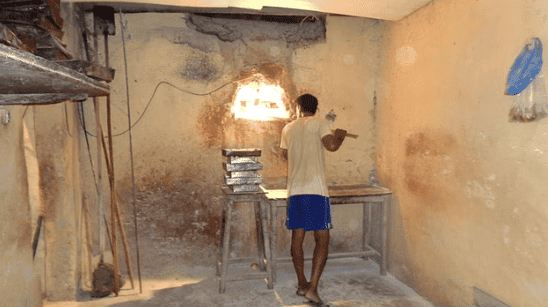
Q5: How did the baker become synonymous with celebrations and occasions in Goa? (Glimpses of India) (Term II, 2021-22)Ans: The baker became synonymous with celebrations because bread was central to Goan rituals and festivals. His daily arrival and the special breads he supplied-such as bangles for children and bol for marriages and festivals-made him an essential figure in village celebrations.
 Traditional Goan Bakery
Q6: In Coorg, which is the season of joy? Why? (2021C)
Ans: The season of joy in Coorg is from September to March. The weather is pleasant with moderate showers, the landscape remains lush, and the air carries the aroma of coffee. These conditions make the season ideal for visitors.
Q7: Why is Coorg called the land of the rolling hills? (Glimpses of India) (Term II, 2021-22)
Ans: Coorg is called the land of rolling hills because the district consists of gently sloping hills that create a panoramic, undulating landscape. These continuous hill-forms give the region its distinctive, scenic character.
Q8: What attracts visitors to Coorg? (Glimpses of India) (Term II, 2021-22)
Ans: Visitors are attracted to Coorg for its scenic beauty-evergreen forests, spices and coffee estates-and for outdoor activities such as river rafting, canoeing, rappelling, rock climbing and mountain biking. The combination of natural sights and adventure tourism draws many travellers.
Q9: Why did Pranjol not share Rajvir's excitement at seeing the tea gardens? (2021C)
Ans: Pranjol did not share Rajvir's excitement because he was born and raised on a tea estate in Assam; for him, the sight of tea gardens was ordinary. Rajvir, seeing such gardens for the first time, felt wonder and excitement.
Q10: How will a tourist enjoy when he climbs the Brahmagiri hills? (2021C)
Ans: A tourist who climbs the Brahmagiri hills enjoys a sweeping panoramic view of misty Coorg. The vantage point reveals rolling hills and dense forests; nearby attractions, such as the rope bridge to the sixty-four-acre Nisargadhama island, add to the experience.
Also read: Character Sketch: Glimpses of India |
Previous Year Questions 2019
Q11: How do we know that Goa's bakers are very prosperous? (CBSE 2019)Ans: The author notes that the baker, his family and those associated with him appeared happy and plump. Their healthy, well-fed appearance served as visible evidence of their prosperity and steady income from bread-making.
Previous Year Questions 2018
Q12: What excited Rajvir? Why did Pranjol not share his excitement? (2018)Ans: Rajvir was excited by the sight of the Assam tea garden because it was his first time seeing vast stretches of uniformly pruned tea bushes and shade trees; the view was splendid to him. Pranjol did not share this excitement because he was already familiar with such scenes, having grown up on a tea estate.
 | Attention! Sale expiring soon, act now & get EduRev Infinity at 40% off! | Claim Offer |
Previous Year Questions 2017
Q13: What do the elders in Goa still love to remember? (Delhi 2017)
Ans: The elders in Goa fondly remember the good old Portuguese days, especially the authentic loaves baked by traditional bakers and the time-tested furnaces that were used to produce those breads. These memories preserve a sense of heritage.
Q14: What do we learn about the financial condition of the bakers of Goa? (AI2017)
Ans: The bakers of Goa were generally prosperous in earlier times because bread was essential to local traditions and festivals, ensuring steady demand. Their continuous business meant their furnace rarely went out and they lived comfortably without fear of starvation.
Q15: When did the baker come every day? Why did the children run to meet him? (Foreign 2017)
Ans: The baker came twice a day-once in the morning and later after he had sold all loaves. Children ran to meet him in the morning because they eagerly awaited the bread-bangles and occasional special sweet breads he brought for them.
Q16: The most laidback individuals become converts to the life of high-energy adventure with river rafting, canoeing, rappelling, rock climbing, and mountain biking. Numerous walking trails in this region are a favorite with trekkers. (Delhi 2017 C)
(a) What do the laidback persons get converted to?
Ans: The laidback persons are converted to a life of high-energy adventure, taking part in activities such as river rafting, canoeing, rappelling, rock climbing and mountain biking.
(b) What is liked by trekkers?
Ans: Trekkers are fond of the numerous walking trails in the region, which offer scenic routes and opportunities for exploration.
(c) Find the word from the extract which means 'paths'.
Ans: The word from the extract meaning 'paths' is "trails."
Previous Year Questions 2016
Q17: What legends are associated with the origin of tea? (Delhi 2016)Ans: Two legends explain the origin of tea. One says a Chinese emperor accidentally dropped tea leaves into boiling water and liked the taste. The other, Indian legend tells of Bodhidharma cutting off his eyelids to stay awake; tea plants grew from them and their leaves kept people awake when brewed.
Q18: How can a baker be recognized? (Foreign 2016)
Ans: A traditional Goan baker can be recognised by his bamboo staff, which he bangs to announce his arrival, and by his distinctive attire called Kabai, a single-piece frock reaching to the knees.
Also read: Character Sketch: Glimpses of India |
Previous Year Questions 2015
Q19: The people of Coorg have a tradition of courage and bravery. How has it been recognized in modern India? (Delhi 2015)Ans: The tradition of courage among the people of Coorg has been recognised by the formation of the Coorg Regiment, a distinguished unit of the Indian Army. The community's long history of military service and valour is reflected in this recognition.
Q20: Which season is the best to visit Coorg? (Delhi 2015)
Ans: The best season to visit Coorg is from September to March. During these months the weather is pleasant, occasional showers enhance the landscape and the aroma of coffee fills the air, making sightseeing enjoyable.
Q21: What proves Kodavu people's Arab descent? (Al 2015)
Ans: The Kodavu people's traditional headgear, the Kuppia, resembles the Arab and Kurdish Kuffia. This similarity in traditional dress supports the suggestion of Arab descent or influence in Kodavuland.
Q22: "Do you know that over eighty crore cups of tea are drunk every day throughout the world?" Rajvir said. "Whew!" exclaimed Pranjol. "Tea really is very popular." The train pulled out of the station. Pranjol buried his nose in his detective book again. Rajvir too was an ardent fan of detective stories, but at the moment he was keener on looking at the beautiful scenery. (Foreign 2015)
(a) How do we know that tea is very popular?
Ans: Tea's popularity is shown by Rajvir's statement that over eighty crore cups are drunk every day worldwide, a figure that indicates very widespread consumption.
(b) Rajvir was a great fan of reading detective stories. Why didn't he like to read at that moment?
Ans: At that moment Rajvir preferred to look at the beautiful scenery outside the train; the novelty of the view made him more interested in the landscape than in reading.
(c) What is the meaning of the word 'keener'?
Ans: The word 'keener' means more eager or more enthusiastic.
Previous Year Questions 2014
Q23: Why was Rajvir excited to see the tea garden? (Delhi 2014)Ans: Rajvir was excited because it was his first visit to a tea estate; he had never seen vast stretches of tea bushes growing in orderly rows beneath tall shade trees. The splendid, unfamiliar view filled him with wonder.
Q24: How does Rajvir describe the tea garden at Dhekiabari? (Al 2014)
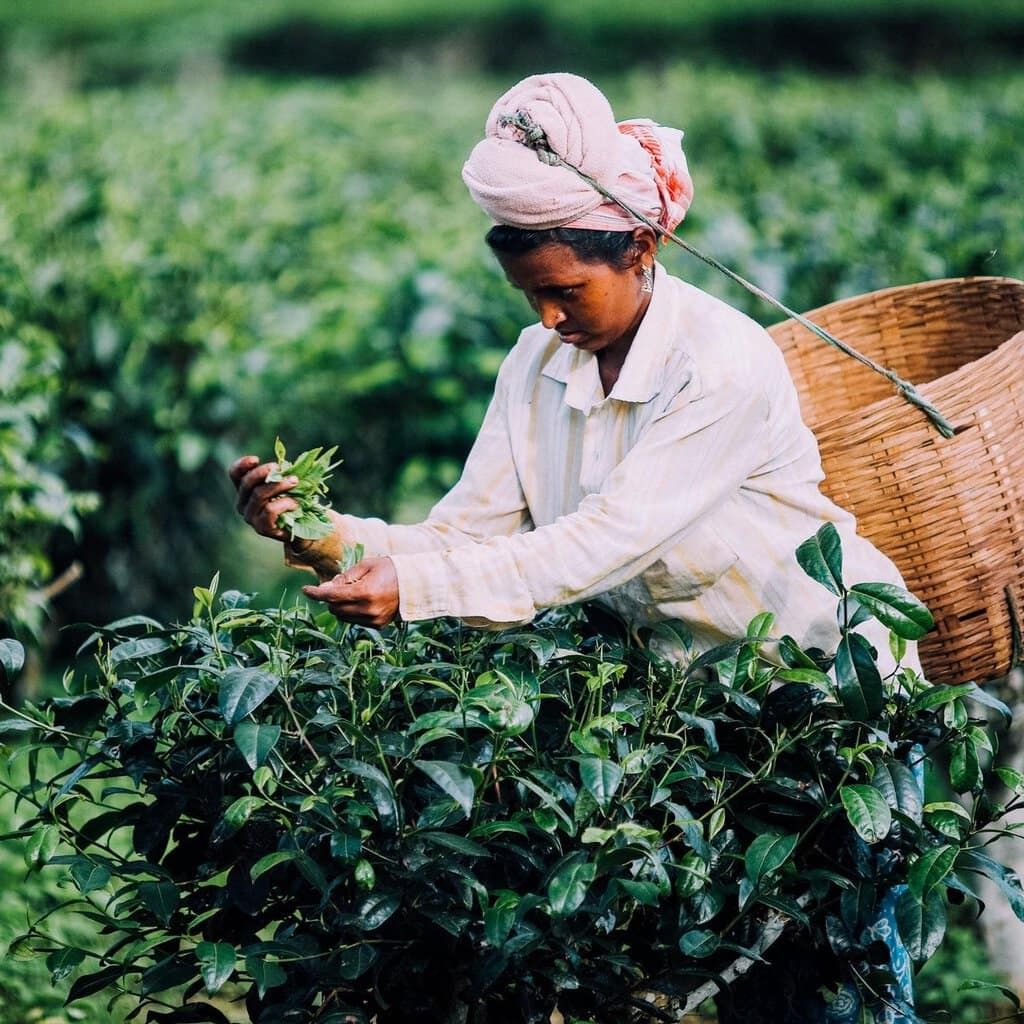
Ans: Rajvir describes the Dhekiabari tea garden as acres of perfectly pruned tea bushes lining the road, with groups of pluckers wearing plastic aprons and carrying bamboo baskets. He visited during the second flush, when the fresh leaves are being picked.
Q25: What was the peculiar dress of the bakers during the Portuguese days? (Foreign 2014)
Ans: During Portuguese times the bakers wore a distinctive single-piece long frock called Kabai, which reached down to their knees and was characteristic of traditional Goan bakers.
Q26: Marriage gifts are meaningless without the sweet bread known as the bol, just as a party or a feast loses its charm without bread. Not enough can be said to show how important a baker can be for a village. The lady of the house must prepare sandwiches on the occasion of the daughter's engagement. Cakes and bolinhas are a must for Christmas as well as other festivals. Thus, the presence of the baker's furnace in the village is absolutely essential. (Delhi 2014)
(a) Why is the baker's furnace essential for the Goan people?
Ans: The baker's furnace is essential because traditional breads like bol and bolinhas are central to marriages, Christmas and other festivals. Without the baker's products, many customary gifts and celebrations would lose their meaning and charm.
(b) On which occasions are the cakes and bolinhas necessary?
Ans: Cakes and bolinhas are necessary for Christmas and other festive occasions in Goa; they form an important part of the celebrations.
(c) Which word in the passage is the opposite in meaning of 'absence'?
Ans: The word opposite in meaning to 'absence' in the passage is 'presence.'
Q27: He would greet the lady of the house with "Good morning" and then place his basket on the vertical bamboo. We kids would be pushed aside with a mild rebuke, and the loaves would be delivered to the servant. But we would not give up. We would climb a bench or the parapet and peep into the basket, somehow. I can still recall the typical fragrance of those loaves. Loaves for the elders and the bangles for the children. (Delhi 2014)
(a) Why would the children peep into the basket?
Ans: The children peeped into the basket out of curiosity and desire to catch sight of the freshly baked loaves and the sweet bread bangles they longed for.
(b) Why did he push aside the children?
Ans: He pushed the children aside with a mild rebuke to ensure he could deliver the loaves to the lady of the house and the servant without obstruction.
(c) Which word in the passage means the same as 'to take a quick look'?
Ans: The word meaning 'to take a quick look' is 'peep.'
Q28: Evergreen rainforests cover thirty per cent of this district. During the monsoons, it pours enough to keep many visitors away. The season of joy commences from September and continues till March. The weather is perfect, with some showers thrown in for good measure. The air breathes of invigorating coffee. Coffee estates and colonial bungalows stand tucked under tree canopies in prime corners. (AI 2014)
(a) Why is the monsoon season not the best period to visit Coorg?
Ans: The monsoon season is not ideal because heavy rainfall can make travel difficult and keep many visitors away, limiting opportunities for sightseeing and outdoor activities.
(b) What is the best period for the visitors?
Ans: The best period for visitors is from September to March, when the weather is pleasant with occasional showers and the landscape and aroma of coffee are at their most inviting.
(c) Which word in the passage means the same as 'starts'?
Ans: The word in the passage that means 'starts' is 'commences.'
Q29: It was a magnificent view. Against the backdrop of densely wooded hills, a sea of tea bushes stretched as far as the eye could see. Dwarfing the tiny tea plants were tall sturdy shade-trees, and amidst the orderly rows of bushes busily moved doll-like figures. In the distance was an ugly building with smoke billowing out of tall chimneys. (Foreign 2014)
(a) Why does the author call the tea plants 'a sea of tea bushes'?
Ans: The author uses the phrase 'a sea of tea bushes' to stress how vast and continuous the tea plantations are; they spread extensively over the landscape, giving an impression of an endless expanse.
(b) Why has the building been described as ugly?
Ans: The building is described as ugly because it contrasts sharply with the natural beauty around it; smoke rising from its chimneys mars the otherwise picturesque scene.
(c) Which word in the passage means 'splendid/ attractive'?
Ans: The word in the passage meaning 'splendid/attractive' is 'magnificent.'
: