

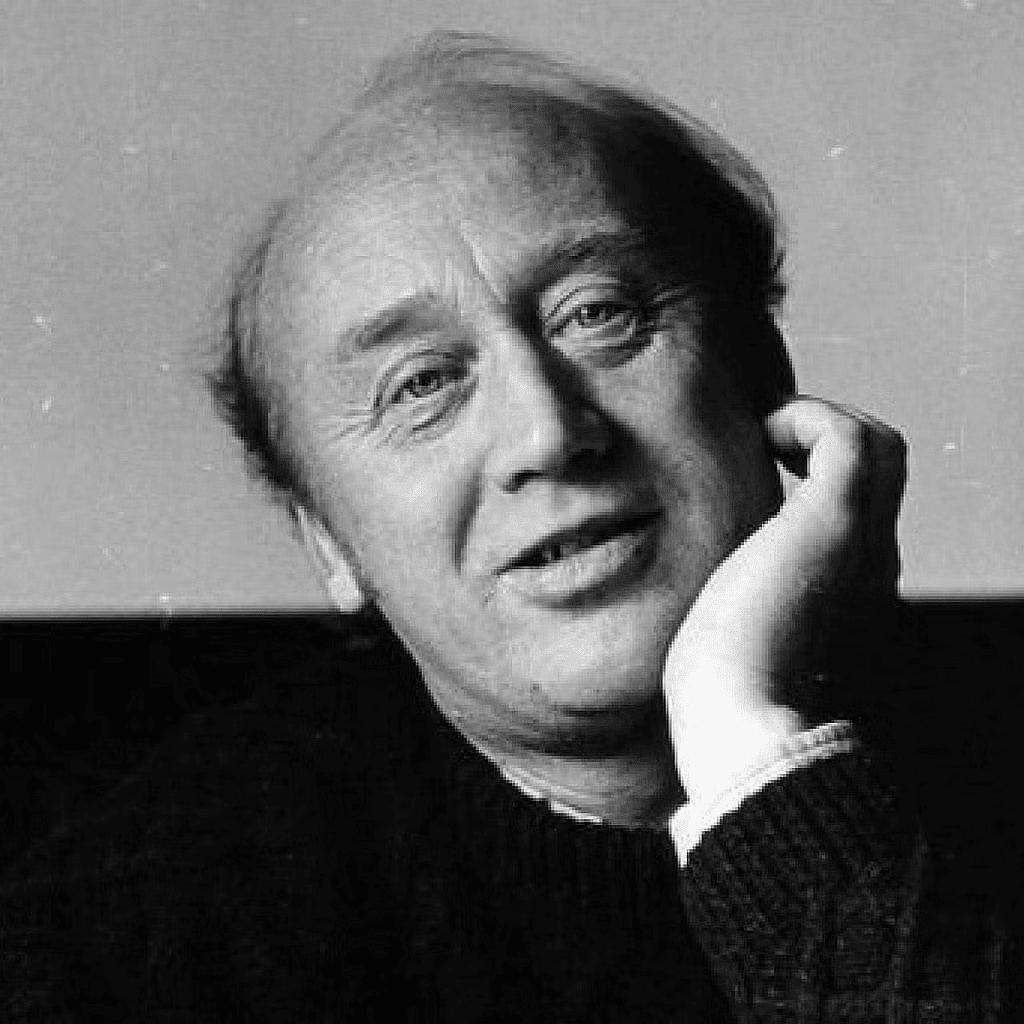
George Leslie Norris (21 May 1921 - 6 April 2006) was a prize-winning Welsh poet and short-story writer. He taught at institutions in Britain and the United States, including Brigham Young University. Norris is regarded as an important Welsh writer of the post-war period and his literary work won several prizes.
Key points of the poem
- The poem consists of 5 stanzas. Each stanza has four lines, so the poem has 20 lines in total.
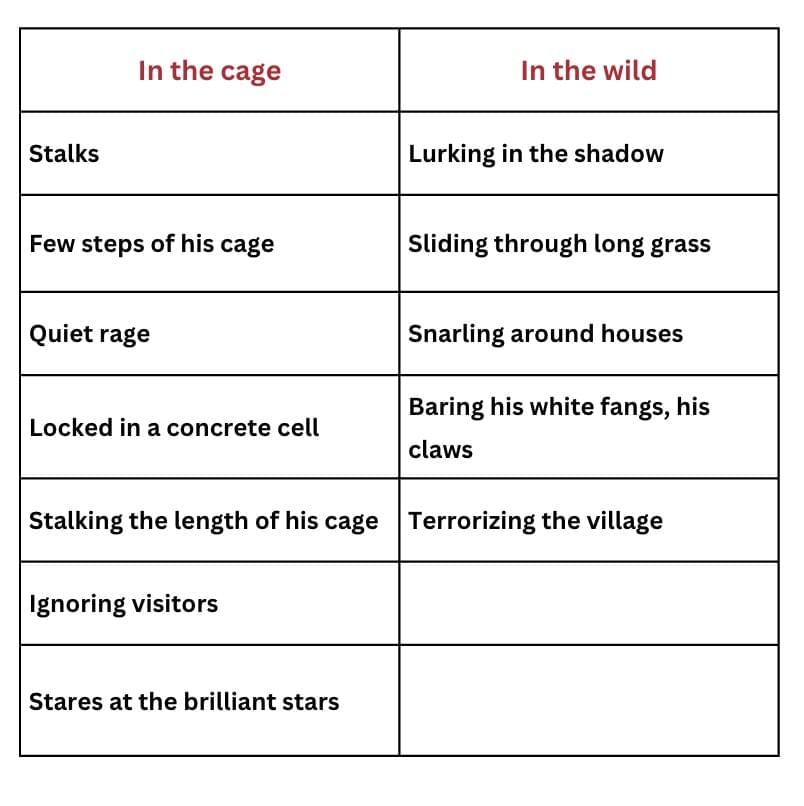
- The poem contrasts the tiger's life in its natural habitat with its life when confined in a zoo.
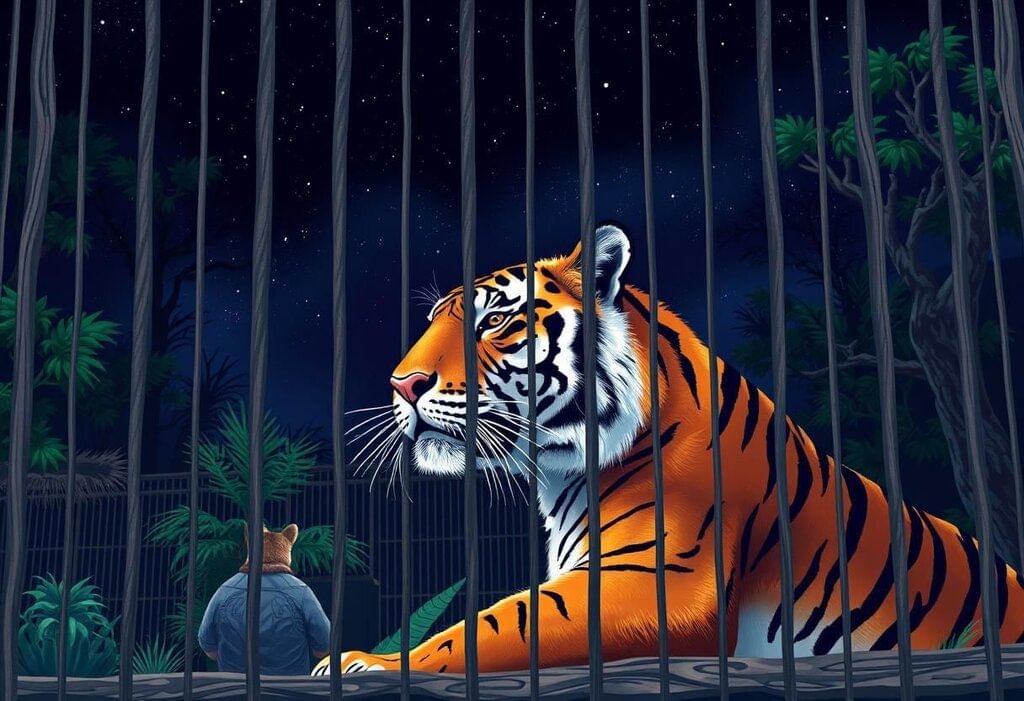
- The poet sees the tiger on a starry night and watches its behaviour in the cage.
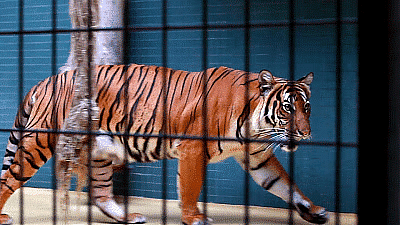
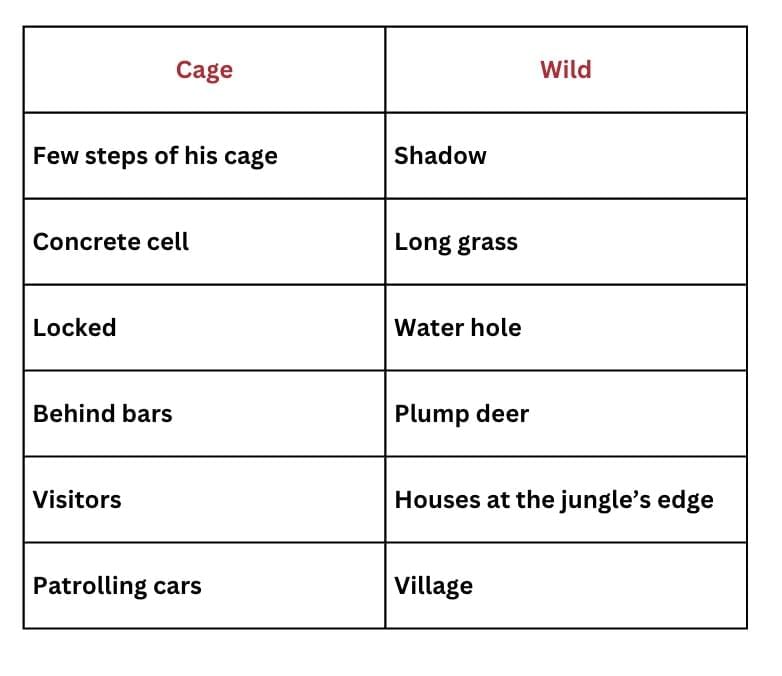
- The tiger paces slowly back and forth because the cage allows only a few steps.
- The animal is full of suppressed anger - a quiet rage - because of its captivity.
- The poet feels pity for the caged tiger and sympathises with its longing for freedom.
Detailed summary
Stanza 1
The stanza opens with the poet's observation of the tiger inside the zoo. The phrase "vivid stripes" reminds us of the tiger's natural beauty and strength. But those stripes move only for the few steps allowed by the small cage. The tiger's footsteps are soft - "pads of velvet" - so his movement is silent, yet his behaviour shows a contained, intense anger. The oxymoronic phrase "quiet rage" emphasises that the tiger's fury is suppressed by captivity: he is powerful but unable to express that power freely.
Stanza 2
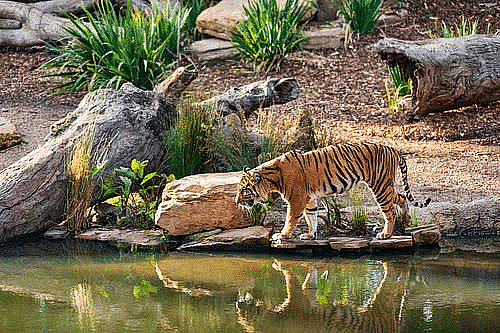
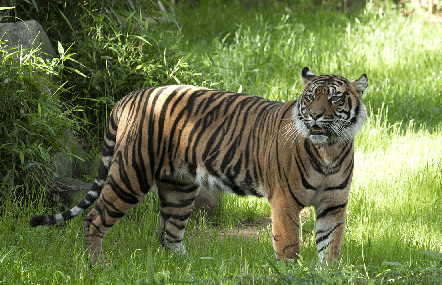
Here the poet imagines the life the tiger ought to be leading in the wild. The tiger ought to be hidden in shadows, moving stealthily through long grass near waterholes where well-fed deer come to drink. These lines draw a clear contrast between the tiger's natural hunting behaviour in the jungle and its restricted existence in the cage. The poet's use of "should be" stresses that the caged life is unnatural for this creature.
Stanza 3
The poet continues to picture the tiger in freedom, imagining it prowling at the forest's edge and frightening people in the nearby village by showing its fangs and claws. These lines highlight the tiger's raw fierceness and the fear it can inspire in humans when it is wild. The image shows the tiger as an active, dominant force in its natural environment - a contrast with the caged, impotent animal.
Stanza 4
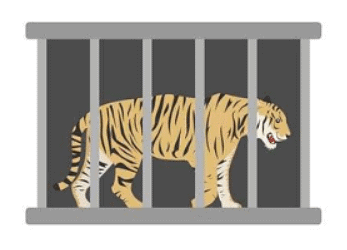
The reality returns in this stanza. The tiger is enclosed in a "concrete cell", and even his strength is imprisoned - "His strength behind bars" is a metonymic way to show that the tiger's bodily power is inaccessible. He paces the cage's length but cannot act on his nature, and he ignores visitors because his power cannot be used; his presence there is a muted reminder of what has been taken from him.
Stanza 5
At night the tiger hears the sounds of the outside world - the patrolling cars used to guard the zoo - and he looks up at the "brilliant stars". His bright eyes stare at the sky, suggesting longing and frustration. The stars stand for freedom and the wide world beyond the cage, while the sounds of patrols and the bars remind him of confinement. The image is quiet and poignant: the tiger remains majestic but powerless, and the poet's sympathy deepens.
Theme and message
- Theme: The dominant theme is freedom versus captivity. The poem contrasts the tiger's natural life with the limited, anguished life in the zoo, showing how captivity suppresses the animal's nature.
- The poem evokes the tiger's suffering, helplessness and longing for its rightful freedom.
- Message: The poem questions the morality of keeping wild animals in cages for human spectacle. It urges respect for animal liberty and suggests that confinement denies animals their essential nature.
Literary devices
- Imagery - The poet uses strong visual images such as "vivid stripes", "sliding through long grass", "baring his white fangs", "concrete cell" and "brilliant stars" to evoke both the tiger's wild life and its caged existence.
- Symbolism - The "cage" symbolises captivity and human control, while the "sky" or "stars" symbolise freedom and the world beyond confinement.
- Oxymoron - The phrase "quiet rage" places opposites together to indicate suppressed anger; it highlights the tiger's inner turmoil despite external silence.
- Personification - The tiger is referred to as "he", which gives the creature human-like feelings (longing, anger, helplessness) and helps readers empathise with it.
- Alliteration - Repetition of consonant sounds appears in phrases such as "should be lurking in shadow", "plump deer pass" and "concrete cell", which gives musicality and emphasis to key images.
- Metaphor - "On pads of velvet quiet" compares the tiger's paws to velvet to convey softness and silence without using "like" or "as".
- Repetition - Words such as "stalk", "quiet" and "brilliant" recur to reinforce central ideas: the tiger's constrained movement, its suppressed nature and the contrast between his eyes and the stars.
- Enjambment - Lines flow into the next without punctuation (for example, in stanza 2), which quickens the pace and mirrors the continuous movement or imagined activity of the tiger.
- Metonymy - Words like "strength" are used to stand for the tiger's whole physical power and vigour, now locked away by the bars.
- Consonance and Assonance - Repetition of consonant sounds (such as the s-sound in "stalks, stripes") and vowel sounds (such as the short i in "vivid") contribute to the poem's sound pattern and mood.
Difficult words
- Stalks: follows or moves quietly and slowly, typically when hunting.
- Vivid: bright-coloured; striking in appearance.
- Pads: the soft parts on the bottom of the tiger's paws.
- Rage: intense anger.
- Lurking: hiding or staying out of sight to wait for prey.
- Snarling: making a fierce, warning sound; growling angrily.
- Baring: uncovering or showing (for example, showing teeth).
- Fangs: the long, sharp teeth of certain animals.
- Concrete: here used as an adjective for a solid, man-made cell; concrete is a construction material made of cement, sand and aggregate.
- Patrolling: moving about regularly to guard or watch over a place.
Concluding note
The poem is a compact but powerful study of a majestic animal deprived of its freedom. Through vivid imagery, carefully chosen sounds and contrasting pictures of life in the wild and life in captivity, Norris asks readers to recognise the harm done when wild animals are caged for human amusement. The poem invites sympathy for the tiger and reflection on the ethical treatment of animals.
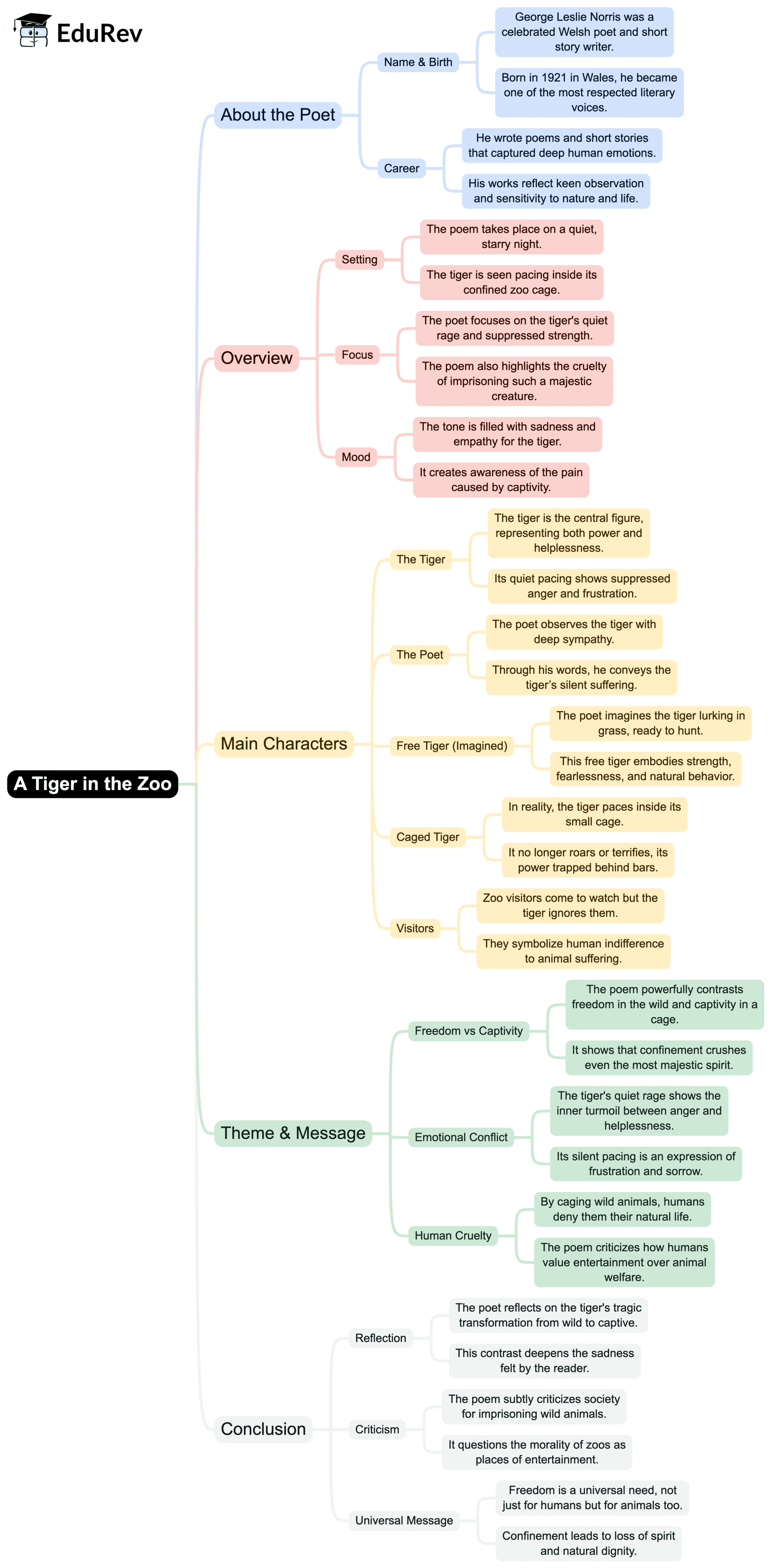
Mind Map: A Tiger in the Zoo
Short Answer Questions: A Tiger in the Zoo
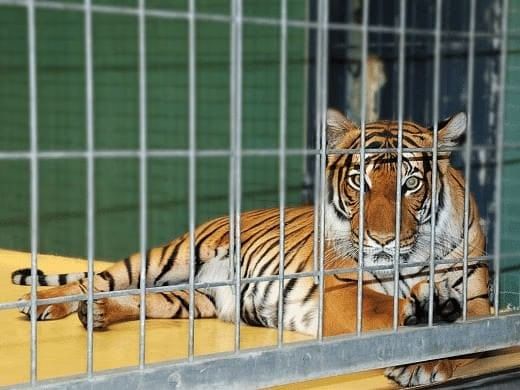
Q4: The tiger in the poem 'A Tiger in the Zoo' has some obvious limitations, describe them in contrast to its natural habitat.
Ans: The tiger in the zoo is confined to a small cage that prevents it from behaving naturally. It cannot hunt, roam long distances, mark its territory or sleep under the open sky. In contrast, in its natural habitat the tiger would stalk prey across wide spaces, hide in long grass, drink at water holes and enjoy the freedom to move and live by its instincts. The bars of the cage even block its view of the night sky, making the contrast with the forest life sharp and tragic.
Q14: Read the line below and answer the questions:
NCERT Solutions: A Tiger in the Zoo
-- By Peter Niblett
--By Rainer Maria Rilke
Beyond mere protection, zoos also serve an educational purpose by raising awareness among the public about the importance of wildlife and its essential role in maintaining the ecological balance of our environment. Visitors can learn about the behaviors, habitats, and threats faced by these animals, helping foster a deeper appreciation for their conservation.
However, while zoos provide a safe space for endangered animals, other alternatives such as wildlife sanctuaries, forest reserves, and national parks offer a more natural setting. These places not only protect and conserve the species but also allow animals to live in their natural habitat with minimal human interference. These alternatives are vital for long-term conservation efforts, ensuring that animals can thrive in the wild while being shielded from poaching and habitat loss.
Key Questions
Q1: Who is the poet of the poem 'A Tiger in the Zoo'?
Q2: How does the tiger walk inside the cage?
Q3: Why does the tiger express his anger quietly?
Q4: What should the tiger be doing in the forest?
Q5: What is the contrast between the tiger in the cage and the tiger in the jungle?
Q6: Why does the tiger ignore the visitors?
Q7: Explain the phrase 'his strength behind bars'.
Q8: What does the tiger do at night?
Q9: Why does the poet use the word 'quiet' repeatedly in the poem?
Q10: What message does the poem 'A Tiger in the Zoo' convey?
Q11: How does the poet describe the tiger's physical appearance?
Q12: What does the tiger's stare at the stars symbolize?
Q13: Why is the tiger restless in the cage?
Q14: Explain the theme of the poem 'A Tiger in the Zoo'.
Q15: How does the poem create sympathy for the tiger?
Very Short Questions: Poem - A Tiger in the Zoo
: